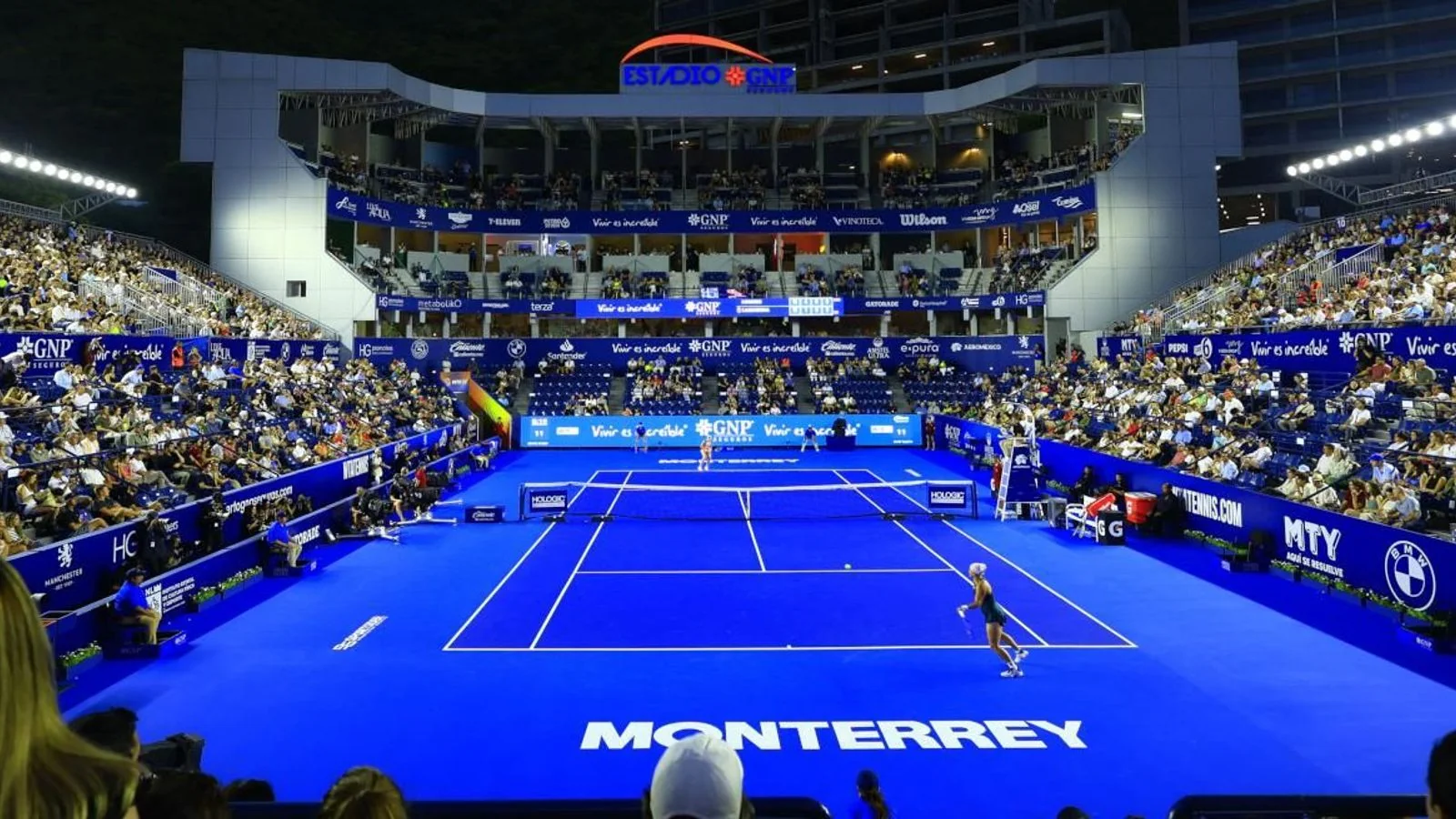
Which tournament is the Monterrey Open?
The Monterrey Open is the women's tennis tournament officially called the Abierto GNP Seguros. It takes place on outdoor hard courts at Club Sonoma in Monterrey, Mexico, and is currently a WTA 500 event. That is the competition to select when a search for “WTA de Monterrey” brings up several Mexican tennis events. The latest completed edition was in August 2026; this guide was checked on October 12, 2026.
The sponsorship name and the city name describe the same women's event. For match information, look for both Monterrey and Abierto GNP Seguros in the official WTA tournament page. Check the year too. A page can be useful for identifying a venue while still displaying an old draw, a previous champion or a ticket offer from a completed edition.
Abierto GNP Seguros and the move to WTA 500
Monterrey's women's WTA tournament began in 2009, then under the International category name. The organizer's history records the first edition at Sierra Madre Tennis Club, its move to Club Sonoma in 2014, and the construction of the permanent stadium in 2017. The event rose to WTA 500 status in 2024. Older results described as International or WTA 250 belong to its earlier category, rather than to a different women's tournament.
For a fan, the category helps place Monterrey on the season calendar. It does not tell you which particular player will attend, how close a match will be, or whether your television subscription includes the tournament. Those questions require the edition's field, draw and regional coverage. Nor does a 500 label turn the event into a Grand Slam. Keeping the city, women's tour, year and category together is the quickest way to get the right competition before looking up a favourite player's result or planning a trip.
Monterrey dates and the daily match schedule
Start with the tournament week, then check the daily order of play. Those are two different pieces of information: the first tells you when the competition takes place, while the second tells you which matches are scheduled on a particular court. The WTA tournament calendar is useful for finding the event among other tournaments; the match schedule is the next stop when you want an individual match.
The completed 2026 tournament week
The WTA's 2026 event guide listed qualifying on August 22–23 and main-draw play on August 23–29. Singles quarterfinals were scheduled for August 27, semifinals for August 28 and the final for August 29. These dates describe the completed 2026 edition, not a timetable for the next tournament.
For 2027, do not make a non-refundable travel decision from a date that is still provisional. The Koobit event listing explicitly labels its future date as provisional and its timetable as reference information from a previous edition. Wait for the organizer and the WTA calendar to identify the next confirmed week, then check when ticket sales actually open.
Finding when your player is on court
The organizer's fan FAQ says the next day's order of play is published at the end of each day. Look there for the player, opponent, court and position in that court's running order. A name in the entry list alone cannot tell you whether the player appears on Monday or Tuesday.
Read the timing beside the match rather than assigning every match the first start time of the day. “Not before” gives an earliest intended start, whereas “followed by” means the previous match must finish first. If you are arranging dinner or a journey home, leave room for a preceding three-set match and interruptions. Recheck the order of play on match day: a saved screenshot is helpful for orientation, but it cannot show a later change to the schedule.
The latest singles and doubles champions
Diane Parry won the 2026 Monterrey singles title, beating Elise Mertens 6–4, 0–6, 6–3 in the August 29 final. It was her first WTA Tour singles title. The WTA's championship report describes a run featuring five wins over Top 50 opponents, including a semifinal victory over Ann Li.
The final is a good example of why the number of games won is not the same as the match result. Mertens won the second set without conceding a game, but Parry won the first and third sets. When reading the score from Parry's side, the middle 0–6 records a lost set; it does not overturn her two sets to one victory. A scoreline gives the outcome of each set, rather than an overall points tally.
Maya Joint and Xu Yifan won the 2026 doubles title. They defeated Maria Kozyreva and Maia Lumsden 6–2, 4–6, [10–5]. The organizer's doubles final report confirms that the last score was a deciding match tiebreak. The brackets make that clear: it was not a third set ending ten games to five.
Reading the 2026 results without mixing editions
For the full route through the tournament, select the year and competition in the official completed draw. Singles, doubles and qualifying are separate brackets. A singles player can also appear in doubles, so check whether a listed defeat ended her singles campaign or only her team's doubles run.
Keep the result beside its year when sharing it. Search pages can display a previous champion, while related news underneath an old results page may refer to a newer edition. If someone asks “Who won Monterrey?”, the useful answer includes the season and whether they mean singles or doubles. If they ask who a player beat in a quarterfinal, work through that year's bracket instead of relying on a current profile's most recent matches.
The draw, byes and ranking points
The 2026 competition had 28 singles players and 16 doubles teams. The top four singles seeds received first-round byes, according to the official event guide. A bracket with 32 positions therefore did not contain 32 competing singles players: four positions were byes. A bye advances a player without a first-round match; it is not a win over a named opponent.
That matters when following a title run. A player starting in the first round needs five match wins to take the singles trophy, while a player with a bye can reach it with four. Both can become the tournament champion. Do not treat a shorter list of matches beside a seeded player as a missing result, and do not count the empty bye position as another entrant when discussing the field.
For 2026 singles, the champion's award was 500 ranking points and US$185,500; the runner-up's was 325 points and US$114,500. The event guide's published singles scale continued with 195 points for a semifinal, 108 for a quarterfinal, 60 for the second round and one for a first-round exit. These figures belong to that edition's award table. They are not promises about a future purse or the amount a player keeps after personal expenses.
Nor should the champion's award be added blindly to the number on a player's current ranking page. To judge an actual ranking move, check the next published WTA rankings. A tournament award and a change in the overall total are different quantities. The seed number in the bracket is another separate detail: it describes the tournament's seeding, not a live world ranking updated after every match.
In doubles, one bracket entry is a team of two players. The ITF tennis glossary explains the wider doubles court and the basic difference between singles and pairs. Watching the side alleys and the partner nearer the net helps make a doubles match easier to follow, even when you initially came to Monterrey for the singles draw.
Past champions and the tournament's changing calendar
Monterrey has a longer history than its recent August editions suggest. Marion Bartoli won the inaugural women's tournament in 2009. The WTA honor roll also shows why an old March schedule can appear in a search for the event: the 2023 tournament ran from February 27 to March 5, whereas the 2024, 2025 and 2026 editions were played in August.
| Season | Singles champion |
|---|---|
| 2021 | Leylah Fernandez |
| 2022 | Leylah Fernandez |
| 2023 | Donna Vekic |
| 2024 | Linda Noskova |
| 2025 | Diana Shnaider |
| 2026 | Diane Parry |
The tournament's history page describes Fernandez's consecutive titles and the development of tennis at its two venues. Read those historical details as history. References there to an anniversary edition or a returning player do not establish a current entry list, and an old category label does not mean the modern event has reverted to that level.
What a previous winner tells you about this year's field
A past-winners list is useful when you want to revisit a breakthrough, compare successive finals or understand a player's connection to Monterrey. It cannot establish that the champion has entered the next edition. “Defending champion” describes who won the preceding tournament; “confirmed entrant” answers who is expected to play this time. Check the dated entry announcement and then the actual draw before looking for a rematch.
For a more useful comparison between years, place the champion beside the event's date and category. Ask whether you are comparing tournaments at the same point in the season, and whether the players in question actually faced one another. A shared title at the same venue is interesting, but it does not supply a head-to-head result. Following the completed brackets gives you the opponents and rounds needed to make that comparison responsibly.
Tickets and a day at Club Sonoma
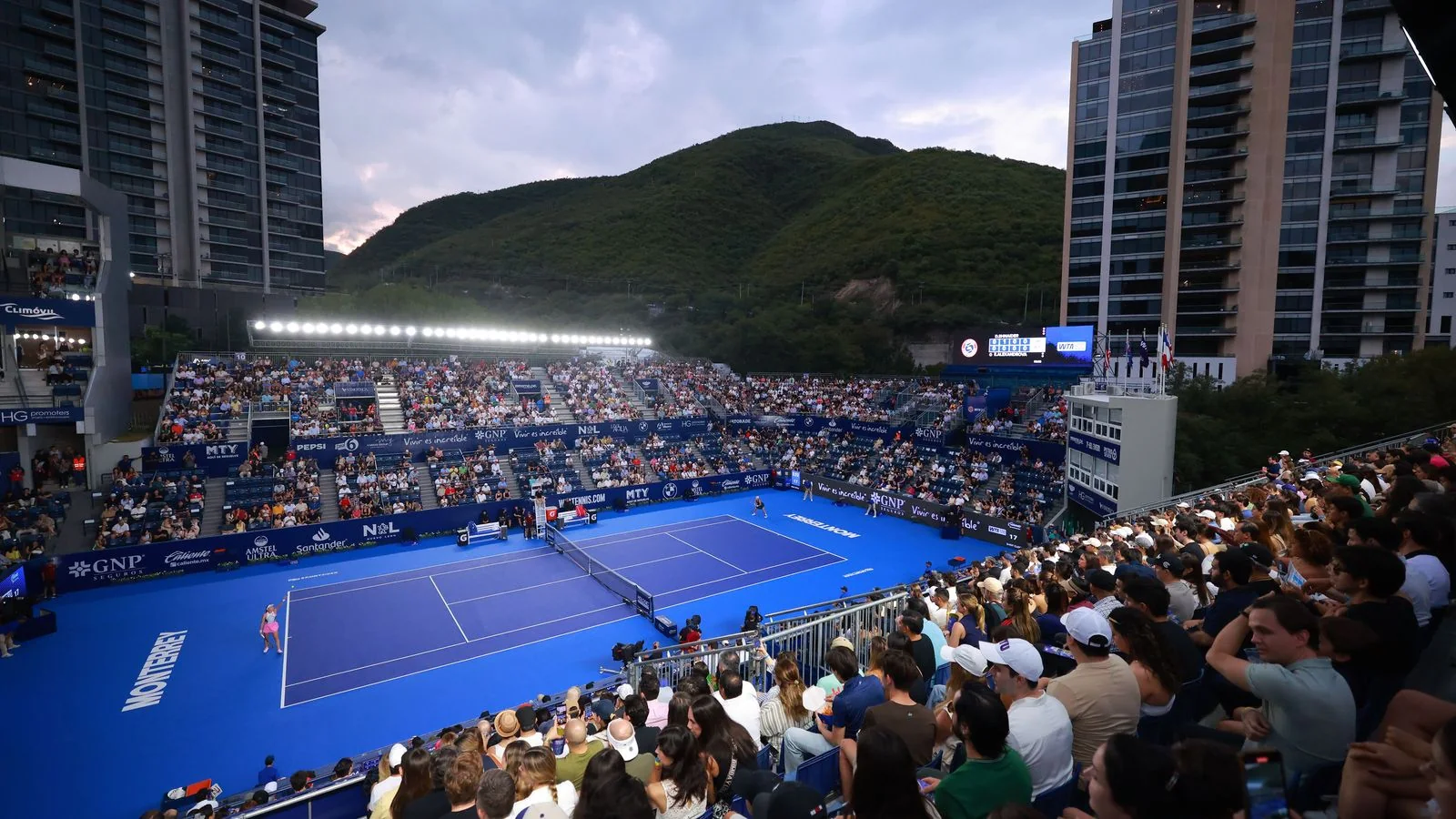
For tickets, follow the purchase link from the official Abierto GNP Seguros website to its listed online seller, Boletomovil. Read the event year and selected day on the booking screen before choosing seats. In October 2026 the tournament homepage still contains material from completed editions, so check the actual offer rather than treating a purchase button as confirmation of a 2027 sale.
Choosing a day and checking admission
According to the organizer's FAQ as posted on October 12, 2026, admission is sold by day and covers the matches on all courts that day. Children require a ticket from age four, and the gates open two hours before the first match. These are the posted conditions to consult, then reconfirm for the edition you intend to attend.
Think about the tennis you want to see before selecting a date. Earlier rounds give you a chance to follow more names across the draw; a finals visit centres on the few players who have survived the week. A day ticket does not reserve a place in the draw for your favourite. If seeing that player is essential, check her entry, the completed draw and the daily order of play before committing to the most suitable day.
Keep tickets for your group easy to retrieve on arrival. A confirmation buried in an email account can be inconvenient at the gate, especially if somebody arrives separately. Consult the latest bag and water-container instructions before leaving your accommodation. The FAQ also describes re-entry with the ticket and wristband retained; if you plan to go out for part of the day, check the procedure at the entrance while you still have both.
Getting to the venue
Use Camino al Mirador 5800, Club Sonoma Residencial, Monterrey as the venue address given in the FAQ. Its parking guidance reserves on-site spaces for Club Seats members and offers other spectators a remote parking and shuttle arrangement. A regular tennis ticket therefore should not be assumed to provide a parking space immediately beside the stadium.
Check the current remote parking address, payment and shuttle hours when your visit approaches. Allow time for the transfer between the car park and the venue, as well as the stadium entrance. For the trip home, arrange a pickup that can accommodate an extended match rather than relying on an exact finish time. Save the shuttle stop and stadium as separate locations so you and the person collecting you agree on where to meet.
Watching Monterrey from home
To find a Monterrey broadcast, use the match date, your country and the tournament's official name. Start with WTA on TV Today and the WTA's regional viewing guide, then check the provider's actual programme. A general tennis channel listing is useful, but the decisive detail is whether it carries the Abierto GNP Seguros match you want.
Before subscribing, look for the event name, women's competition, court coverage and access conditions. A service showing another tournament in Mexico or men's tennis during the same week may not include Monterrey's women's matches. If a listing covers the main stadium only, it may also differ from the court assigned to your favourite player. Use the day's order of play and the broadcaster's schedule together.
Local time, channels and match replays
Monterrey uses UTC−6, with no clock change during 2026, as shown by Time and Date's city time-zone record. Do not assume that a North American “Central” clock always matches it in summer. As an illustration, 3 p.m. in Monterrey is 9 p.m. UTC. This is a conversion example, not an announcement of a particular match.
If the WTA match schedule is displaying your local time, avoid converting that time a second time. Check the date as well as the hour, especially when watching from a region where an evening match in Mexico falls on the following morning. For a match after another contest, use a reminder for the earliest listed time and check progress on that court before assuming the players have started.
After play, the official tournament scores page provides an edition-specific route to results and video material. A highlight reel can show key moments without containing every point. If you want the full final, check that the provider calls it a full match replay, identifies the right year and competition, and allows viewing from your country. The completed 2026 score remains useful even when a replay's availability or access conditions change.