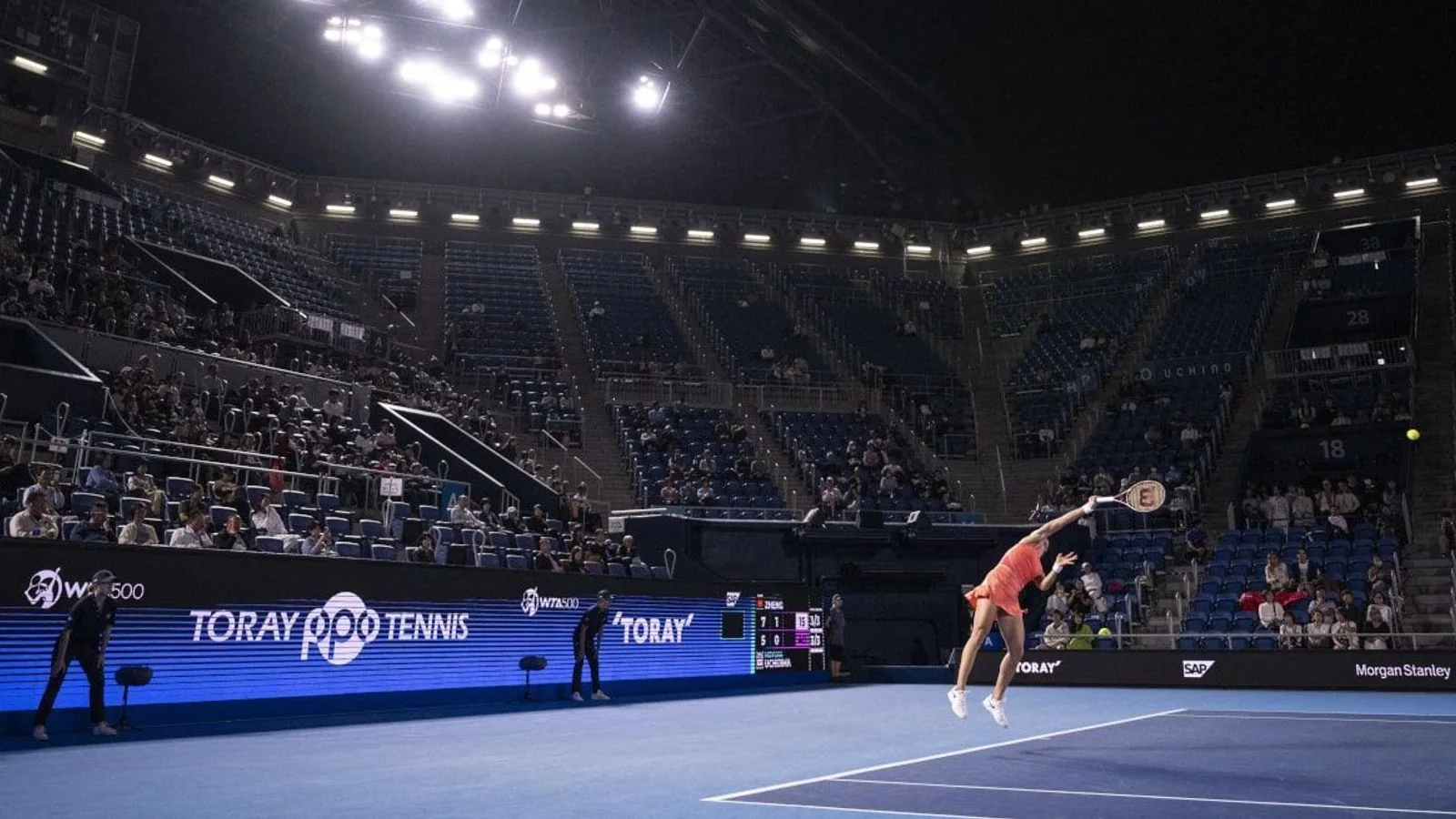
For Toray Pan Pacific Open tickets, start with the tournament organizer's official sales links and check the edition before choosing seats. The Tokyo WTA 500's 2026 tournament has finished; its published ticket information now provides historical examples of prices, court access and international buying arrangements.
This guide uses those examples to help you plan a future visit. As of November 11, 2026, it does not confirm a 2027 price or sale. The practical decisions are which day and view suit your party, how you will obtain the admission tickets, and which attendance needs must be settled before payment.
Identify the tournament and edition before buying
The Toray Pan Pacific Open is Tokyo's women's WTA 500 tournament at Ariake. Its 2026 edition is complete: the main draw ran from October 26 through November 1. A page that still displays those dates is an archive, even when it retains a ticket button. This guide uses that edition's published terms to explain the buying decisions; it does not establish a sale, price or ticketing method for 2027.
Start by checking the full tournament name. Tokyo also stages the men's Japan Open, and its official website has separate men's and women's sections. The women's Japan Open takes place in Osaka. A search result saying only “Japan Open tennis tickets” can therefore lead to a different event from the Toray PPO, despite familiar players, sponsors or venue words appearing nearby.
Write down five fields before comparing offers: tournament, edition year, city, date and ticket category. This is particularly useful when somebody else sends a promising listing. An attractive price for another year's event does not help with your intended trip, and an old listing may explain past arrangements without offering anything that can currently be purchased.
Our Tokyo tournament guide provides the broader event context. Use the WTA calendar to understand where the tournament sits in a season, then return to the organizer's edition-specific ticket information for the actual offer. The calendar and the sales page answer different planning questions.
For a future visit, keep an archive and a current offer in separate bookmarks. Label the older one with its year and use it to prepare questions about seating, collection and admission. Once the next edition publishes its terms, check those questions again. A category name that survives between years does not by itself preserve its price, included access or delivery arrangements.
Choose a day and a view at Ariake
Choose the kind of tennis day you want before choosing the most expensive category you can afford. Early rounds offer a wider field still in competition; the final weekend concentrates attention on the remaining players. Neither choice guarantees that a particular favorite will appear. Treat a round ticket as an event-date choice, then use the draw and daily order of play to discover the actual matchups.
Reserved Centre Court seating
The 2026 organizer's terms made a numbered seat valid for Ariake Coliseum, the Centre Court. When comparing reserved options, look at the actual map, side, row and position rather than the category name alone. A courtside label tells you something about location, but it does not tell you whether you personally prefer that perspective for several hours.
A side view can be appealing if you enjoy watching contact, movement and the speed of the ball across the court. An end view may suit someone who likes following angles and how a rally opens space. These are viewing preferences, not claims that one section is objectively best. Discuss them with your companions before selecting seats together.
Also consider the whole outing. A first-time visitor may value a comfortable shared day more than the closest possible view of one rally. A regular tennis spectator may prioritize following doubles or moving between matches. Decide whether your party wants to remain together throughout or is happy to explore separately and meet again later.
Show courts and weather changes
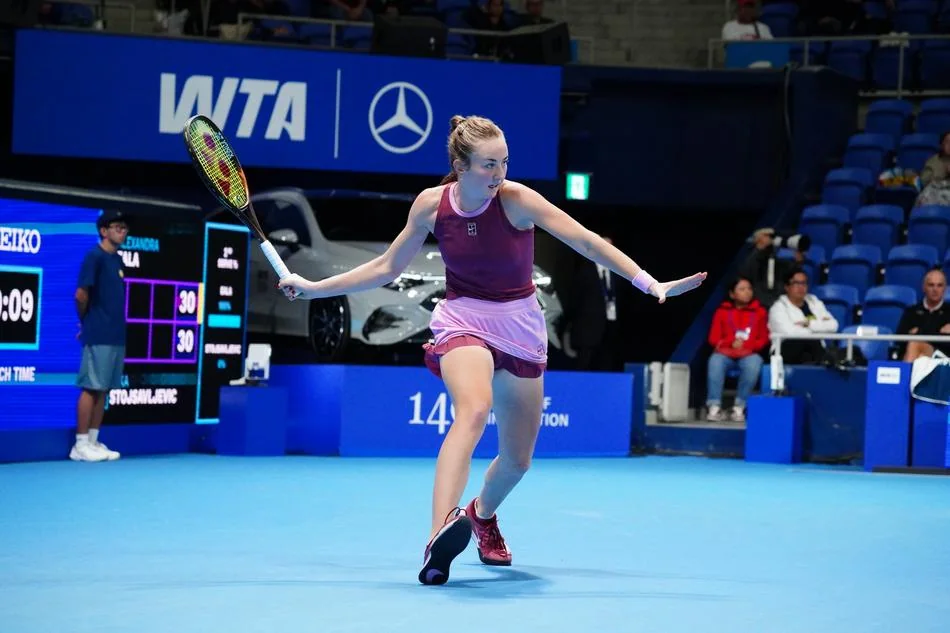
The published 2026 ticket also allowed show-court access, where places were unreserved and subject to capacity. A reserved Coliseum seat therefore did not reserve a second place outside. If a particular outside match matters to you, consider the time needed to get there and the possibility that the viewing area is already full.
The Coliseum has a retractable roof, but that does not make every court's programme weather-proof. The organizer's terms say spectators cannot enter indoor courts used for relocated show-court matches. Keep a flexible plan for a disrupted day: identify the tennis you most want to watch, the alternatives you would enjoy and the latest practical time for your return journey.
Put the published 2026 prices in context
Read a ticket price as a combination of edition, date and category. The organizer's 2026 grid varied by both round and location. A figure copied from one column cannot describe every day, and the smallest number in an old search result is not a quotation for your future visit.
Four representative ticket choices
These examples come from the completed 2026 edition's advance-price information. They illustrate different choices rather than reproduce the full sales grid or rank categories by value.
| 2026 date | Published choice | Advance price |
|---|---|---|
| October 24 | Qualifying, non-reserved | ¥1,000 |
| October 26 | Court-end | ¥12,000 |
| October 31 | SS category | ¥18,000 |
| November 1 | A category | ¥4,000 |
The contrast is useful because a larger round does not automatically make every available location more expensive than every earlier-round seat. A supporter choosing an economical final-day category and somebody prioritizing a particular early-round perspective may make different decisions. Compare what each choice delivers for your own plans rather than trying to identify one universally correct ticket.
Be equally careful with descriptions such as “from” or “up to.” A starting price is one point in a range, while an upper figure may describe a different location or product. Ask which exact option is available to you and read its conditions before treating either number as the amount you will pay.
Budget beyond the advertised face value
The published 2026 terms added handling charges to the ticket price. Their existence matters even when a general information page does not provide the final checkout total. Keep a separate line for those charges instead of assuming that a neat multiplication of the displayed price is your complete cost.
For example, two adult tickets at the historical ¥4,000 figure would have had a combined face value of ¥8,000 before applicable fees. That is simple arithmetic using one dated example, not a package or a current offer. Your own transport, accommodation and meals belong in separate lines, based on the trip you are actually making.
If two options fit your budget, compare the compromise each requires. Would you rather choose another view, attend on another date or shorten the visit? Agree that preference before the buyer reaches checkout. A ticket that fits the numerical budget but leaves a companion with an unsuitable day or seating arrangement is not a complete solution for the party.
Buying from overseas and collecting the ticket
For international buyers, a usable delivery arrangement is as important as an acceptable price. The organizer identified Ticket Pia as its international sales route for 2026. Follow the organizer's link for the edition you intend to attend, rather than assuming that every website using the tournament name has the same relationship with the event.
Keep three stages separate: placing an order, obtaining the admission ticket and entering the venue. A successful payment message may establish only the first stage. Before purchasing, find out what you must do next and whether that step fits the time you will actually be in Japan.
How the 2026 Ticket Pia route worked
The 2026 inbound offer used credit-card payment and paper-ticket collection at Seven-Eleven stores in Japan. Buyers showed the confirmation email's ticket number for printing; that offer did not provide collection at the venue. Printing began October 21 at 10 a.m. JST, normally at least 24 hours after purchase, with immediate pickup for purchases within three days of the event.
Those details explain why an overseas booking deserves its own plan. Someone arriving in Tokyo on the morning of a match would need to fit collection into the journey before heading to Ariake. Another visitor already in the city might prefer to complete that task earlier. These are hypothetical travel choices, not guarantees about processing time or the arrangements for a later edition.
Read your own confirmation carefully and keep the reference available when you collect. Check that the printed tickets correspond to the intended date and party before leaving the collection point. If the instructions are unclear, ask the named seller while there is still time to resolve the issue; a general memory of buying tickets for another Japanese event is not a substitute.
For a new edition, verify the payment and delivery methods afresh. Do not assume that a confirmation email will itself admit you, that a digital method used elsewhere is available here or that a collection service can be moved to the stadium on request. The seller's actual offer should settle those questions before you rely on the booking for a trip.
It helps to nominate one person to manage the order and explain collection to the rest of the party. Record who holds the confirmation, who will obtain the tickets and where everybody will meet afterward. That simple division of responsibilities can prevent several people from arriving with different assumptions about who has completed the necessary step.
Plan for children and accessible seating
Decide how every person in the party will attend before adding tickets to an order. A headcount alone does not explain who needs a separate seat, who may qualify for a particular admission category or which arrangements must be made directly. Give the buyer those details before asking them to choose whatever looks available.
Child admission and a separate seat
For 2026, the organizer distinguished children aged three and under sitting on a lap from children using their own seats. It also offered free non-reserved admission for elementary-school children and younger, requiring an admission ticket from the same-day counter and remaining subject to capacity. That is a specific admission arrangement, not a promise of a free reserved place in every category.
Think through the intended seating before counting the order. Two adults bringing a young child who needs an individual seat have a different requirement from two adults choosing a permitted lap arrangement. An eligible free place may also be unsuitable if the rest of the group plans to occupy reserved seats elsewhere. The question is where everybody will actually watch, not simply whether one person can enter without paying.
Ask the accompanying adult what arrangement will work for the whole outing. Consider breaks, how long the party plans to stay and whether moving between courts is realistic for them. These are personal preferences to agree in advance. Do not decide that a particular arrangement is acceptable to somebody else solely because it reduces the ticket total.
Confirm accessible arrangements directly
Accessible seating deserves direct discussion with the organizer or Ticket Pia before purchase. The English 2026 information specified eligibility documentation for wheelchair places. Confirm which documentation is accepted, how the booking and collection work, and the position and ticket requirements of any accompanying person.
Make the request concrete: give the intended date, the number of people, the access arrangement required and whether sitting together is essential. Ask for confirmation of the actual offer rather than assuming an ordinary aisle seat supplies the same access. Keep the response with your booking information so the person attending and the person purchasing share the same understanding.
For an overseas visitor, resolve those questions before committing to a ticket that cannot serve the party's needs. Confirm the current edition's instructions even if a previous visit worked well. This is especially useful when several people are organizing transport, collection and entry separately.
Resale, changes and the final booking decision
Begin with the organizer's named sales route when a new edition opens. A resale listing appearing prominently in a search does not establish that it is an authorized channel. The 2026 terms prohibited commercial resale and declined responsibility for problems with unofficial purchases. They also restricted ordinary customer-requested changes and refunds.
When plans or players change
Choose a day you would enjoy even if the draw develops differently from your hopes. A favorite can lose before your date or withdraw, and a round booking is not a guarantee of her appearance. The organizer's FAQ specifically says a player withdrawal does not entitle the buyer to a refund. That matters when the trip's entire appeal seems to rest on seeing one named person.
Changes to your own travel plans, changes to an individual matchup and cancellation of an event are different situations. If the organizer announces a cancellation or postponement, follow its notice and the seller's instructions for that exact booking. Do not infer a universal outcome from a general policy sentence or from the way another tournament dealt with a disruption.
Before buying, ask yourself which compromises would still leave you with a worthwhile visit. Another available category might be acceptable; another date might be impossible. One companion may be happy to attend any afternoon, while another has only a single day in Tokyo. Establish those limits before somebody makes an irreversible choice for the group.
A purchase brief for the whole party
A short written brief is more useful to the person checking out than several messages saying “something near the court.” Agree the following points together:
- The exact tournament, edition and date everybody intends to attend.
- The admission and seat arrangement for each person, including children.
- The preferred view and any seating or access requirement that is essential.
- The maximum total the party can accept after the displayed fees.
- The collection method and the person responsible for completing it.
- The alternatives the buyer may choose if the preferred option is unavailable.
For example, two friends may accept a different category on the same day but be unable to move the date. A family may be flexible about the day while needing a particular arrangement for a child or companion. Neither preference creates a special exchange right; it simply tells the buyer which available offer could work before payment.
After purchase, keep the confirmation, delivery instructions and agreed meeting plan together. Use the completed Tokyo event archive for the 2026 competition and the organizer's new edition pages for a future outing. Before the visit, check the actual daily programme and any venue notice, then bring the admission documents required by your own booking.