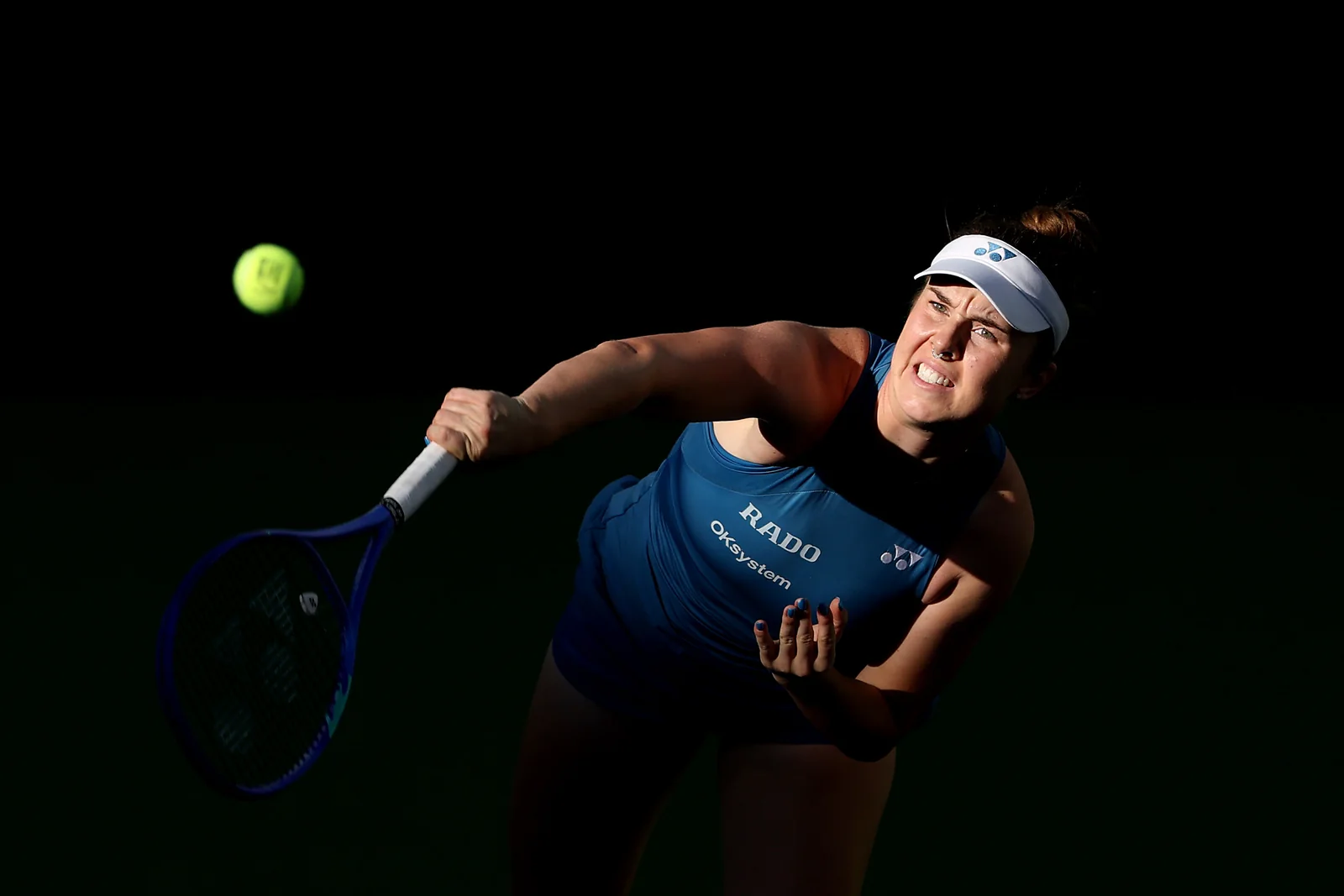
For official WTA highlights, begin with the tour's video hub or established YouTube channel. For a complete recording, check the WTA's selected full-match collection and the relevant regional broadcaster. Grand Slam matches also have their own tournament video destinations. Choose the match and the format together: a short edit, a full replay and a live stream answer different viewing needs.
This guide explains how to find the right women's tennis video without confusing an old upload, another draw or a limited-access selection with the match you intended. The source and access examples reflect the pages available on November 11, 2026; the method remains useful as new clips arrive.
Choose the video format before choosing a source
Start with what you want to learn or enjoy. A few exciting points can introduce a player you have never watched. Following an entire set is more useful when you want to understand how she constructs service games or changes her return position. Both are worthwhile viewing choices, but they call for different recordings.
The WTA's video pages separate highlights, hot shots, interviews and features. Broadcasters can offer further choices, including full recordings and condensed presentations. Read the format label alongside the title before adding something to your watch list.
| Your viewing aim | Format to look for | Useful next question |
|---|---|---|
| Catch up during a short break | Match highlights | Does this edit identify the match and round? |
| Understand the sequence of a contest | Full match replay | Is the complete point sequence included? |
| Enjoy one remarkable exchange | Hot shot | Would seeing the surrounding game add context? |
| Hear the player's explanation | Interview or press conference | Was it recorded before or after the match? |
Duration helps you make that choice, although it cannot settle it alone. A long video might be a conversation or a studio programme rather than uninterrupted tennis. A condensed match can preserve an engaging story while leaving out routine points. Look for the publisher's description of what has been retained.
For tactical viewing, choose one observation before pressing play. You might follow the returner's starting position, the server's second-ball choices or the moment a doubles team moves forward. Then watch several comparable points. A highlight edit naturally selects notable action; it does not give you the denominator needed to decide how consistently a tactic worked.
You can also combine formats without committing to hours immediately. Watch a short official edit to decide whether a contest interests you, then seek the complete recording if you want to explore it. Keep an interview for afterward if you would rather form your own impression first. This turns a busy video feed into a deliberate viewing session.
Find recent WTA highlights through the tour's own pages
The official WTA highlights index is a useful first stop for recent tour action. The broader video hub mixes match edits with interviews, features and individual shots. Use the dedicated category when your immediate aim is to catch up on tennis played, then explore the other formats when you want more context.
Use the event and round to narrow the search
Take a moment to identify the contest. Two players can meet several times in one season, and an event can have both singles and doubles footage. Keep the tournament, year, round and opponents together rather than searching only a familiar surname. Those details make it much easier to recognize the correct recording once several results appear.
If you do not know which tournament a player is contesting, use today's WTA matches or the tournament directory to establish the event first. Then look within the official video collection or the established WTA YouTube channel. Add the round when you want one particular meeting, rather than a career compilation involving the same opponents.
For a past tournament, the city alone may be insufficient. Sponsorship names can change, and some events rotate locations. A year and competition name help keep your search attached to the edition you intended. Readers following the Canadian tournament specifically can use our separate Toronto highlights and replay guide; this broader route is designed to work across tour stops.
Check when the match happened, not just the upload
A recent publication label can accompany older tennis. Official collections include retrospective matches and career features alongside newly finished contests. A video posted this week might revisit a final from another year. Read the match information before treating the upload as a new result.
“Today” also depends on where you are watching. A match played in the evening at the venue may appear the following morning in your country. Save the event date when possible, and avoid converting a relative “hours ago” label into an exact first-ball time. Publication and competition are different clocks.
If the expected edit has not appeared, check the official event page again later. An absent video is not evidence that a match was cancelled, nor does a completed scoreboard guarantee immediate publication of a clip. Follow the result through the scoring source and the recording through the video source. That small separation prevents a discovery delay from becoming a mistaken tennis update.
Use the Grand Slams' own video libraries
For matches at the Australian Open, Roland-Garros, Wimbledon or the US Open, start with that major's official website and video navigation. A tour-wide search is useful for discovery, but it should not be your only route to a tournament's own archive. The event knows which edition, competition and match its recording belongs to.
The Australian Open video library provides a video-search destination. Wimbledon has its own official video area, and the US Open video destination belongs to the USTA event. Enter through those official sites when looking for their footage, then check the labels and any conditions on the actual item you find.
Archived tennis can remain relevant long after the website begins promoting another season. For example, Roland-Garros has an official complete recording of the 2025 Gauff–Sabalenka women's final. The match year is part of that video's identity. A newer tournament banner surrounding the page does not turn it into a final from the newer edition.
Keep the women's competition and edition together
Write down the draw as well as the tournament. A major stages several competitions, and “the final” can refer to different players, courts and dates. Include women's singles or women's doubles in the search. For a historical clip, retain the year even when the same players later met again at the same venue.
That precision also helps when an athlete competes in more than one draw. A doubles celebration is not evidence about her singles result, and a junior match belongs to a different competition from the senior draw. Check the match description before adding it beside another recording in a chronological playlist.
Use an archive as a collection of identified matches rather than a promise of complete coverage. Finding one full final does not establish that every early-round contest from that edition is available. If your first search misses the desired recording, try the official event search with both opponents and the round. Keep the result provisional until the page identifies the actual match.
Find a complete match in the right replay library
Selected full matches through WTA Unlocked
Try the WTA's exclusive-content collection when you want a longer recording. It has a dedicated full-match section with registration labels. At the November 11, 2026 check, the selection included matches from several tour stops and earlier seasons. WTA Unlocked promotes free membership, making these listed recordings worth checking before searching more broadly.
Selection is the important limit. The presence of a Rome match does not establish that the whole Rome draw is available there. Likewise, one historic final cannot answer whether yesterday's first-round contest has been added. Open the individual listing and read its access message. A collection can be a useful doorway without being an exhaustive archive.
On-demand matches from regional broadcasters
When the official collection does not have the contest, use the WTA's regional viewing information and the tournament's broadcaster links to identify another route. Then search the named service's on-demand catalogue for the actual match. A broadcaster's event rights and the contents of its replay menu are related questions, but one does not reveal every detail of the other.
Tennis Channel, for example, describes a replay library within its subscription streaming product and also advertises selected free matches and replays separately. Those are different levels of choice. Check the named contest rather than assuming the free selection contains everything in the larger library.
Our U.S. viewing guide and Brazil viewing guide address those specific markets in more detail. For any country, confirm the product name carefully: WTA TV, Tennis Channel and Tennis TV should not be treated as interchangeable accounts merely because each name includes tennis or television.
Check the recording before choosing access
Make a short note of what you need before selecting a subscription or another access option. Include the tournament edition, opponents, draw, round and recording format. If your goal is a particular doubles match on an outside court, a general promise of tournament coverage leaves an important question unanswered.
Check any stated viewing window and the device you intend to use. If the page does not say how long a recording remains available, ask the provider instead of assuming a permanent archive. If you plan to watch on a television, confirm that route as well as playback on a phone. A convenient mobile listing may not settle your preferred screen arrangement.
Finally, keep discovery and playback separate. A recording missing from a catalogue needs a content or access answer. A listed recording that fails to start needs a support answer. Identifying which problem you have makes your request more precise and saves time that would otherwise be spent searching for a different copy of the same match.
Keep doubles and WTA 125 searches specific
Doubles deserves a search of its own. The WTA has a dedicated doubles video category, which can be more useful than a general player search. Include both partners when identifying a team, and add the opposing pair if you know it. A surname alone may bring up that player's singles match or an earlier partnership.
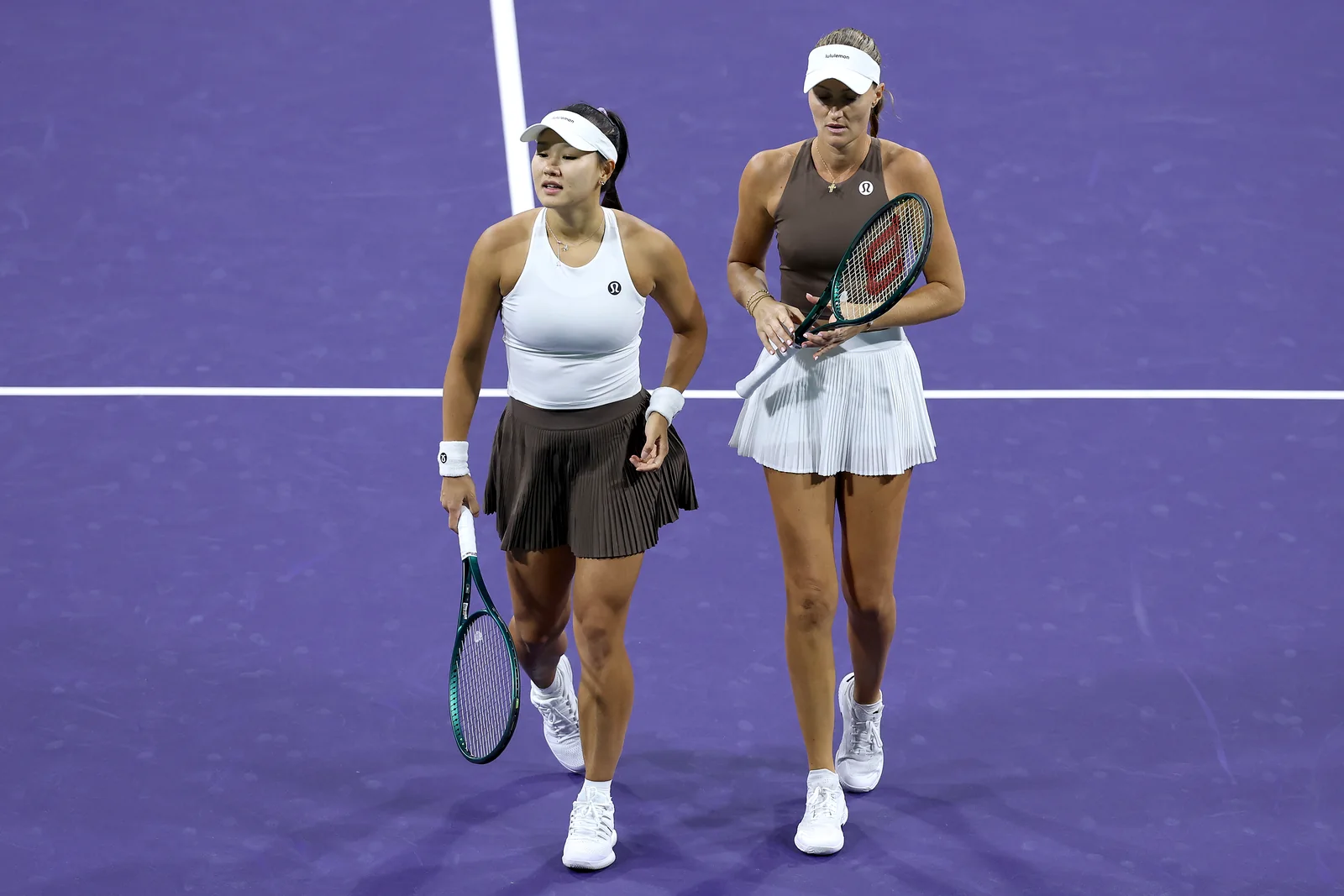
The same identity check helps when a familiar athlete enters different events during one week. Confirm whether you want a team highlights package, a singles recording or a feature about the player. Keep the draw and round attached to a saved item so that you can place it correctly when returning to it later.
WTA 125 viewing raises a separate coverage question. The official 125Live destination is for live WTA 125 streams through Unlocked. The membership page advertises up to two courts per tournament. That gives fans a useful official route while leaving a practical question: is the match you want assigned to one of the available feeds?
Check the event and its order of play before looking for the player in a video menu. Our WTA 125 calendar guide helps establish the tournament level and edition. A calendar entry tells you where an event belongs in the season; it does not establish that a particular court is streaming at that moment.
If you miss the live action, look separately for a replay or highlights listing. A stream having existed does not by itself tell you whether the publisher retained it, how long it remains available or whether the same account can access it afterward. Keep the search specific to the match and format. This is especially useful when a doubles contest shares a tournament page with several singles recordings.
Make a watch list that survives a changing video feed
A useful tennis watch list starts with the time you actually have. During a short break, choose one identified highlights package rather than opening a dozen promising tabs. For a longer evening, select a complete recording and decide whether you want to watch it as entertainment or focus on one aspect of the tennis.
If you are following a player across a tournament, put the rounds in order before adding career features or older meetings. That preserves the competition's sequence and makes the extra material easier to appreciate. You can then compare what you noticed in an earlier match with a later performance without accidentally comparing different seasons.
Save a match identity and a viewing purpose
Keep a simple note containing the event, year, draw, round, opponents and video format. Add the official destination and one reason you want to watch. That could be a doubles team's movement, a player's response to a difficult service game or simply a match you missed while working. This is your own viewing brief; it does not depend on a service offering a particular bookmarking feature.
For a study session, write down a question you can answer by watching, then resist changing it after every spectacular point. Follow several comparable situations and allow yourself to finish with uncertainty. A single recording can show what happened in that match without establishing a permanent judgment about the player's game.
For watching without knowing the result, minimize visits to news feeds and result-bearing video titles. Decide in advance whether avoiding the outcome matters more than finding the shortest route. A publisher may reveal the winner in its headline, so no general search method can promise a completely spoiler-free experience.
If a saved video later becomes unavailable, use the match details to return to the official event or provider. Check the current access message; country restrictions and a missing catalogue entry need different answers. Your saved identity gives you something concrete to search or discuss with support, even when a video has moved lower in a feed or the site has changed its navigation.
The result is a smaller, more useful queue: the right match, in a format that fits your purpose, from an identifiable official source.