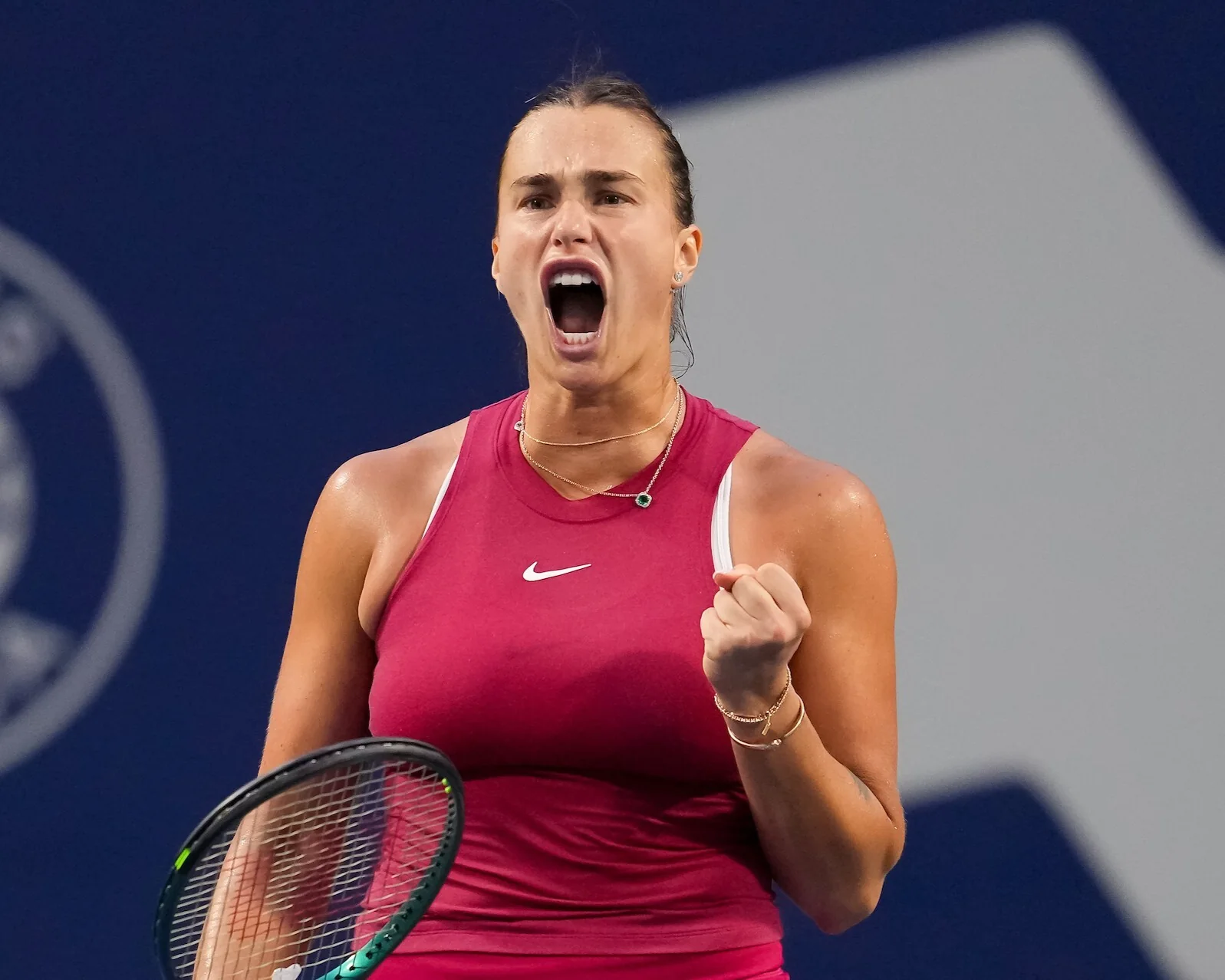
The WTA Toronto 2026 singles field began as a 96-player draw: 72 direct entrants, 16 qualifiers and eight wild cards. Aryna Sabalenka was the No. 1 seed, Elena Rybakina No. 2 and Jessica Pegula No. 3. At the August 13 verification cutoff, only Rybakina and No. 7 seed Iga Swiatek remained in singles, with their final still upcoming.
Roster status matters
This guide separates the July entry list, the draw-time seed list, withdrawals, wild cards and in-tournament status. A player can appear on the first list and never enter the draw, or enter the draw and later retire.
WTA Toronto 2026 player field at a glance
Toronto attracted an unusually deep initial field: Tennis Canada announced that 72 of the WTA Top 75 appeared on its July 8 list. That headline described commitments at the entry deadline, not a guarantee that every name would compete. Injury, recovery and scheduling decisions changed the lineup before and during the event.
72
Direct entrants accepted by ranking or protected/special ranking.
16
Players who earned main-draw places through qualifying.
8
Main-draw wild cards selected outside normal direct acceptance.
The leading group included Sabalenka, Rybakina, Pegula, Coco Gauff, Mirra Andreeva, Linda Noskova, Swiatek, Amanda Anisimova and Elina Svitolina. Naomi Osaka, Belinda Bencic, Alexandra Eala and Canadian No. 1 Leylah Fernandez added further depth. All 32 seeds entered in round two because the 96-player format gives them first-round byes.
On the final day, the WTA's player filter marked Rybakina and Swiatek as the two active singles players and the rest as eliminated. Use the Toronto schedule and results guide for match outcomes, and the current WTA rankings for today's positions. Seed numbers remain fixed once the draw is made even if rankings later change.
All 32 WTA Toronto seeds
The organizer based seeding on the July 27 WTA rankings. The number before each name is the Toronto seed, not necessarily the player's current world ranking. All 32 received opening-round byes.
| Seeds 1–8 | Seeds 9–16 | Seeds 17–24 | Seeds 25–32 |
|---|---|---|---|
| 1 Aryna Sabalenka | 9 Elina Svitolina | 17 Anna Kalinskaya | 25 Alexandra Eala |
| 2 Elena Rybakina | 10 Marta Kostyuk | 18 Maja Chwalinska | 26 Jelena Ostapenko |
| 3 Jessica Pegula | 11 Naomi Osaka | 19 Madison Keys | 27 Clara Tauson |
| 4 Coco Gauff | 12 Belinda Bencic | 20 Elise Mertens | 28 Ann Li |
| 5 Mirra Andreeva | 13 Iva Jovic | 21 Marie Bouzkova | 29 Maria Sakkari |
| 6 Linda Noskova | 14 Sorana Cirstea | 22 Barbora Krejcikova | 30 Leylah Fernandez |
| 7 Iga Swiatek | 15 Diana Shnaider | 23 Emma Navarro | 31 Donna Vekic |
| 8 Amanda Anisimova | 16 Ekaterina Alexandrova | 24 Anastasia Potapova | 32 Katerina Siniakova |
A seed protects leading players from meeting one another too early; it does not predict the finish. Only two seeds reached the final, but upsets, retirements and walkovers shaped the path. Notice that Swiatek was seed No. 7 despite appearing as world No. 8 in the seeding announcement. Different numbering is normal when a higher-ranked player is absent.
One organizer sentence called Fernandez No. 29, but both the complete official numbered list and WTA player page place her at No. 30. This guide follows those two detailed records. For rankings after Toronto points are processed, consult the dated WTA singles rankings rather than converting seed numbers into rankings.
Confirmed withdrawals and late status changes
The most significant absence was defending champion Victoria Mboko. The Canadian injured her left knee after slipping at Queen's Club in June and announced before Toronto's entry list that she could not defend the National Bank Open title she won in Montreal in 2025. WTA reported that Renata Zarazua moved into the field as her replacement.
| Player | Status | Verified context |
|---|---|---|
| Victoria Mboko | Pre-draw withdrawal | Left-knee/MCL injury sustained at Queen's; Zarazua named as replacement |
| Karolina Muchova | Withdrew before draw | Delayed hard-court return after a small post-Wimbledon procedure |
| Jasmine Paolini | Withdrew before draw | Missed the opening hard-court events while managing a foot injury |
| Belinda Bencic | Quarterfinal walkover | Entered and won matches, then did not contest the scheduled Gauff quarterfinal |
These labels are not synonyms. A withdrawal before the draw opens a place for an alternate. A walkover occurs when a drawn player cannot start a scheduled match, so the opponent advances without that match being played. A retirement happens only after a match has begun. Player pages and result feeds may display each differently.
Do not use the July 8 list as a final roster
The initial announcement included players who later withdrew. The draw and WTA player filter are the better record of who actually entered; the completed score feed shows who played. See the schedule and results page for match status.
Injury information is sensitive and can evolve. This guide uses only publicly reported tournament or WTA descriptions and does not infer recovery dates. A withdrawal from Toronto also does not automatically imply absence from Cincinnati, the US Open or another later event.
Toronto wild cards and what a wild card means
A wild card is a place awarded by the tournament rather than earned through the ordinary direct-acceptance ranking cutoff or qualifying draw. It does not change the scoring rules and does not guarantee a favorable opponent. Toronto used all eight main-draw singles wild cards allowed in its 96-player format.
| Wild card | Country | Selection context |
|---|---|---|
| Bianca Andreescu | Canada | 2019 National Bank Open and US Open champion |
| Kayla Cross | Canada | Earned the Road to the NBO place |
| Katherine Sebov | Canada | Toronto representative selected by Tennis Canada |
| Cadence Brace | Canada | Toronto representative selected by Tennis Canada |
| Rebecca Marino | Canada | Experienced Canadian tour player |
| Ariana Arseneault | Canada | One of the final two singles selections |
| Carol Zhao | Canada | Final NBO before her announced retirement |
| Venus Williams | United States | Seven-time Grand Slam singles champion |
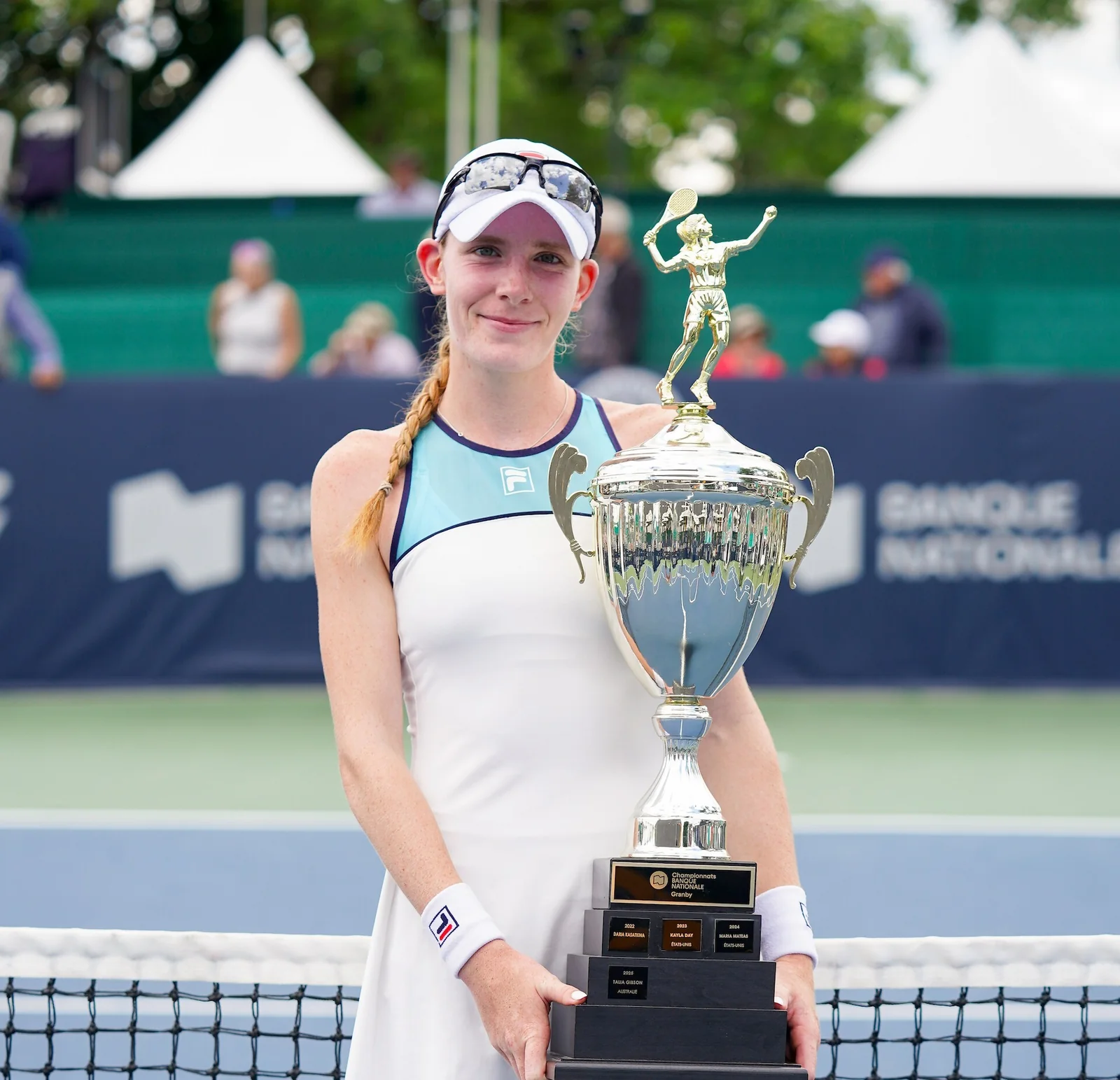
The wild-card list is not the same as the Canadian player list. Fernandez entered by ranking and was seeded, while Andreescu and seven other Canadians entered with invitations. Venus Williams was the lone non-Canadian main-draw wild card. Qualifying invitations for players such as Avery Alexander and Ana Grubor belonged to a separate one-day qualifying draw and did not automatically place them in the main draw.
Singles and doubles invitations are also separate. Fernandez could enter singles directly while receiving a doubles wild card with her sister Bianca Jolie Fernandez. Andreescu entered singles by wild card and later paired with Cross in doubles. A label should therefore always be read beside the relevant draw.
Why the early lists looked incomplete
Tennis Canada announced the invitations in stages. Pages saying “two remain” were accurate when published but became stale after Arseneault and Zhao received the last spots. The final eight-name organizer list is the controlling record.
Canadian players in the Toronto main draw
Eight Canadian women ultimately appeared in the singles main draw. Fernandez was the only one accepted directly and the only Canadian seed. The other seven received wild cards. Mboko would have been the defending Canadian champion, but her pre-event knee injury removed her from the field.
Leylah Fernandez — seed No. 30
Canada's highest-ranked entrant arrived through direct acceptance. Her seed produced a first-round bye.
Bianca Andreescu — wild card
The Mississauga player returned to the site of her 2019 Canadian Open title.
Kayla Cross — wild card
The London, Ontario player earned her invitation through the Road to the NBO pathway.
Katherine Sebov and Cadence Brace
Both Toronto players received invitations; Brace made her event main-draw debut.
Rebecca Marino — wild card
Born in Toronto and raised in Vancouver, Marino made her seventh NBO main-draw appearance.
Ariana Arseneault and Carol Zhao
The Richmond Hill players received the final two singles invitations; Zhao had announced 2026 as her last season.
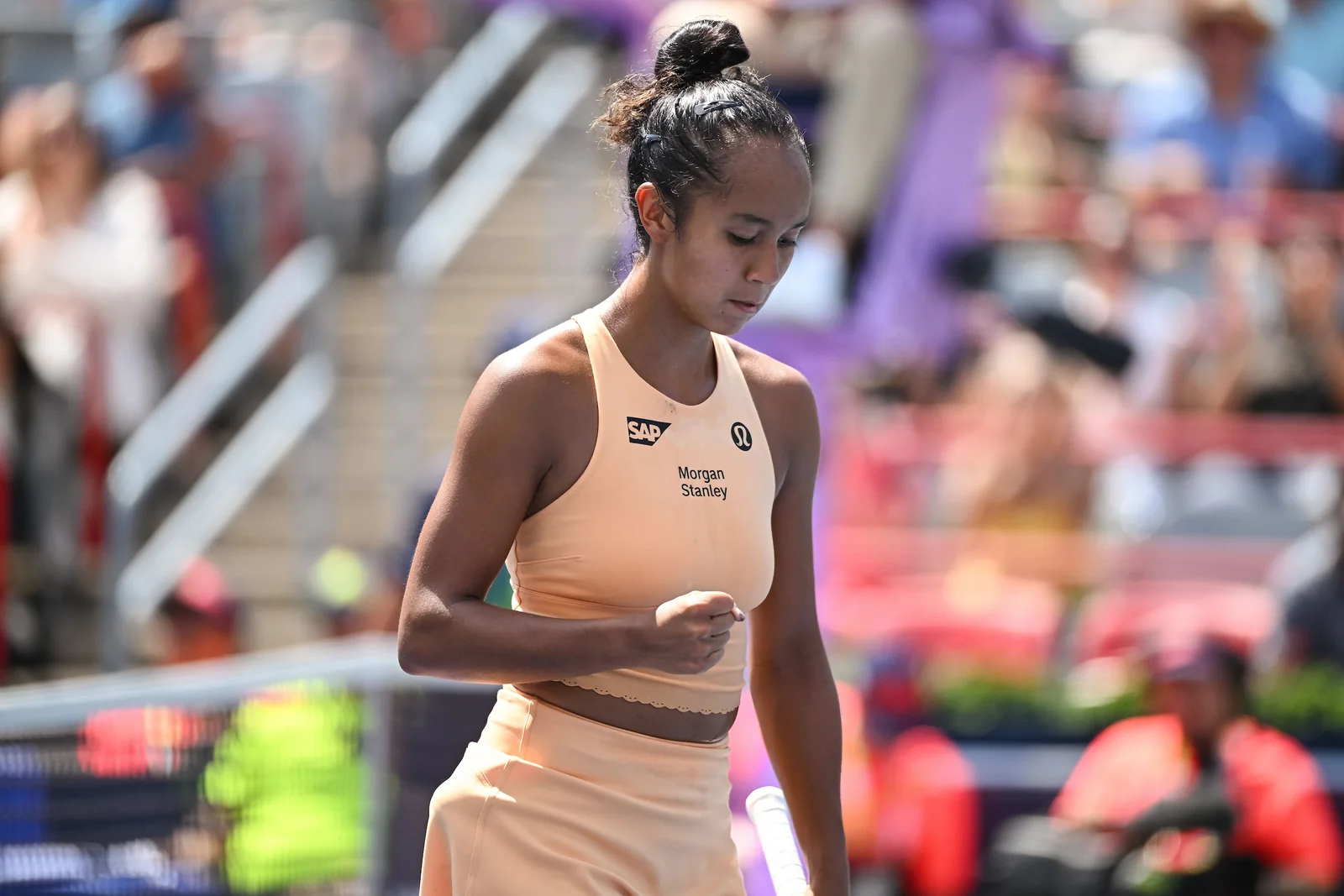
That count concerns singles only. Doubles produced different Canadian combinations: Fernandez reunited with her sister, while Andreescu teamed with Cross. Gabriela Dabrowski also appeared in the doubles entry list with Luisa Stefani, but that does not make her a singles entrant. Always attach a player count to the named draw.
The home group represented several stages of a career: established champion Andreescu, seeded tour regular Fernandez, returning veteran Marino, developing players, a pathway winner and Zhao's farewell appearance. A wild card offered access, but every player still had to navigate the same scoring, surface and match format once play began.
Entry list, draw and player-list FAQ
What is direct acceptance?
It means a player qualified for the main draw through the applicable WTA ranking or a permitted special ranking at the entry deadline. The WTA rulebook says an accepted player stays on the acceptance list unless she officially withdraws or another rule applies. Direct acceptance is not a seed and does not guarantee a bye.
Why did the seed list differ from the first entry list?
The lists captured different dates. Toronto's initial field was released July 8, while the organizer based seeds on rankings dated July 27 after accounting for withdrawals. The draw was held July 31. Ranking movement and absences can therefore change who occupies the 32 seeded positions.
How does an alternate enter after a withdrawal?
Before the draw, the next eligible player on the alternate list generally fills a direct-acceptance opening under WTA procedures. Toronto explicitly named Korpatsch and Taylor Townsend as additions after Muchova and Paolini withdrew. After qualifying and the draw begin, lucky-loser and replacement rules depend on timing.
Are qualifiers lower-ranked than every direct entrant?
Not necessarily. Qualifying status describes the route into this draw, not a permanent quality tier. Entry deadlines, late commitments, protected rankings and withdrawals can place a familiar player in qualifying. Winning the required qualifying matches earns a main-draw place on merit at the event.
Does “eliminated” mean the player lost a completed match?
Usually it means the player is no longer active in that draw, but the route may be a loss, retirement or walkover. Open the result card for the exact status. It also applies separately to singles and doubles, so a player may be eliminated in singles while still competing with a doubles partner.
Which list should I bookmark?
Use the WTA tournament player page for the final roster and status filters, the draw for the bracket, and the results page for completed matches. Use dated announcements to understand why a change happened. Browse the tournament directory or WTA calendar when planning the next event.
The cleanest historical record keeps all four layers: the acceptance list shows initial demand, the seed list records draw-time ranking order, the draw shows who actually occupied each position, and the score archive records what happened. Combining them without dates produces apparent contradictions that are really snapshots of an evolving tournament.
For future editions, expect the same sequence but not the same names or timing: entry deadline, public field announcement, staged wild-card decisions, qualifying list, seed confirmation and draw. Save the publication date beside any exported list. If a player disappears, look for an official withdrawal notice and the replacement rather than assuming she was omitted by mistake. That habit produces a much more accurate player guide than copying the first promotional roster.