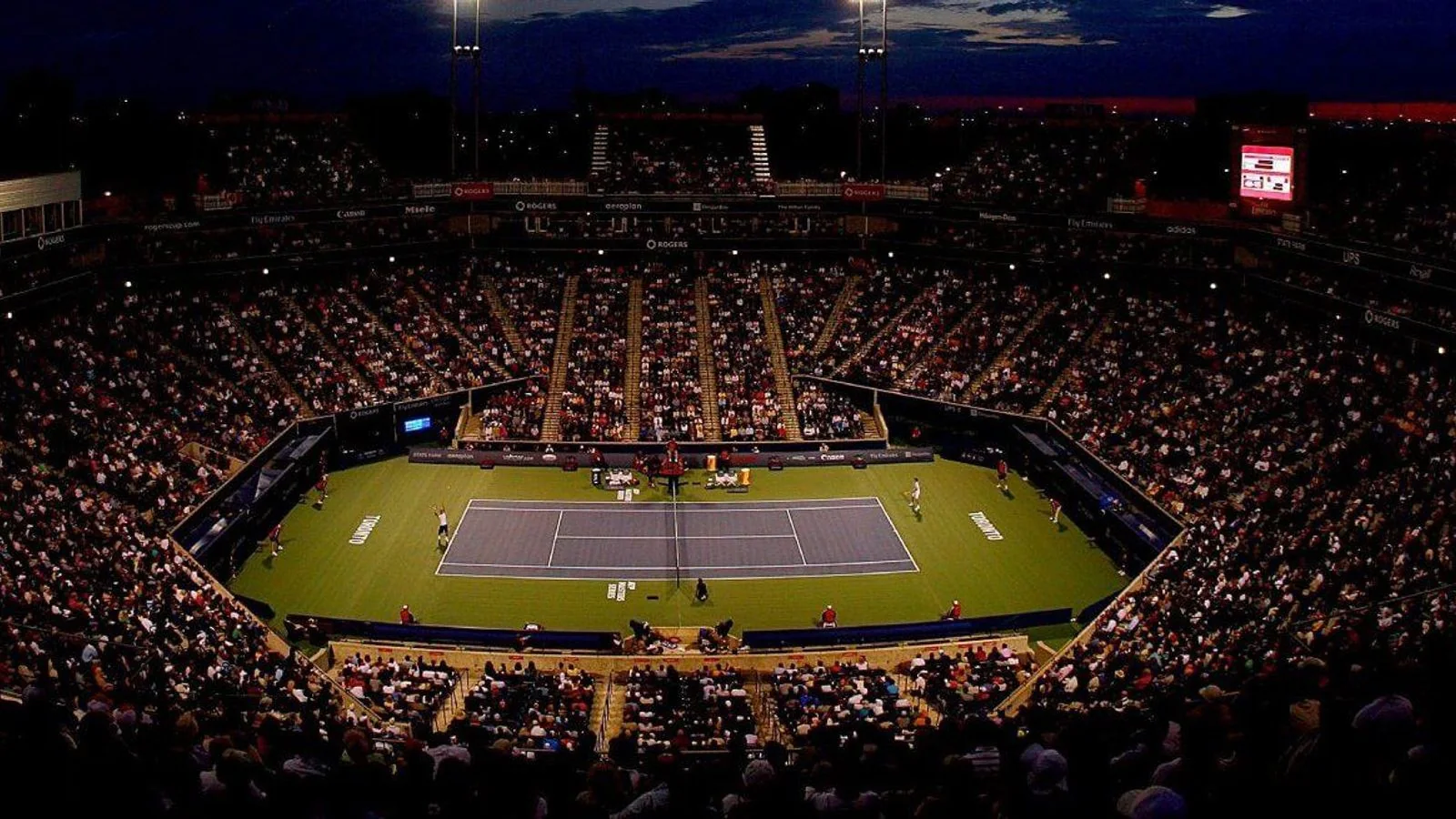
WTA Toronto 2026 semifinal results at a glance
Elena Rybakina and Iga Swiatek won the 2026 WTA Toronto semifinals in three sets. No. 2 seed Rybakina defeated Coco Gauff 5-7, 6-2, 6-2, while No. 7 seed Swiatek beat Elina Svitolina 6-3, 1-6, 6-3. Those results set a Rybakina–Swiatek singles final at the National Bank Open.
| Semifinal | Result | Finalist |
|---|---|---|
| Elena Rybakina vs Coco Gauff | 5-7, 6-2, 6-2 | Rybakina |
| Iga Swiatek vs Elina Svitolina | 6-3, 1-6, 6-3 | Swiatek |
Both matches required a reset. Rybakina lost the opening set and then limited Gauff to four games across the last two. Swiatek won the first set, suffered a sharp second-set reversal and recovered in the decider. The shared three-set shape is important, but the direction of the comebacks was different.
Status boundary
The semifinal results are complete. When this article was checked on August 13, the WTA still marked the tournament in progress and had not posted a completed singles-final score. Any champion claim belongs to a later official update.
Rybakina reached her first Toronto final. Swiatek reached her first final of the 2026 season and also has a chance to win Toronto for the first time. Their advancement removed No. 4 seed Gauff and No. 9 seed Svitolina from the draw after each had won a set in the semifinal.
For readers checking a fast result, the table is the answer. The sections below explain how each score developed, what conclusions the set pattern can support, and what remains unknown without complete official match statistics. For current match status alongside other tour events, use the WTA matches today page and verify any conflict with the official WTA hub.
How Rybakina came back to beat Gauff
Rybakina's 5-7, 6-2, 6-2 victory was built on a clear scoreboard reversal. Gauff won the competitive opening set, but Rybakina changed the match strongly enough to win 12 of the final 16 games. That total does not explain every rally; it does show that the first-set result did not continue as the governing pattern.
The recovery matters because it was Rybakina's second in consecutive rounds. She had also lost the first set to Naomi Osaka in the quarterfinal and escaped 4-6, 7-6(5), 6-4. Against Gauff, the turnaround became more decisive on the scoreboard: there was no second-set tiebreak and the last two sets shared the same 6-2 score.
Set 1
Gauff took it 7-5, earning the first scoreboard advantage.
Set 2
Rybakina answered 6-2 and prevented the match ending in straight sets.
Set 3
Another 6-2 set completed Rybakina's first Toronto-final run.
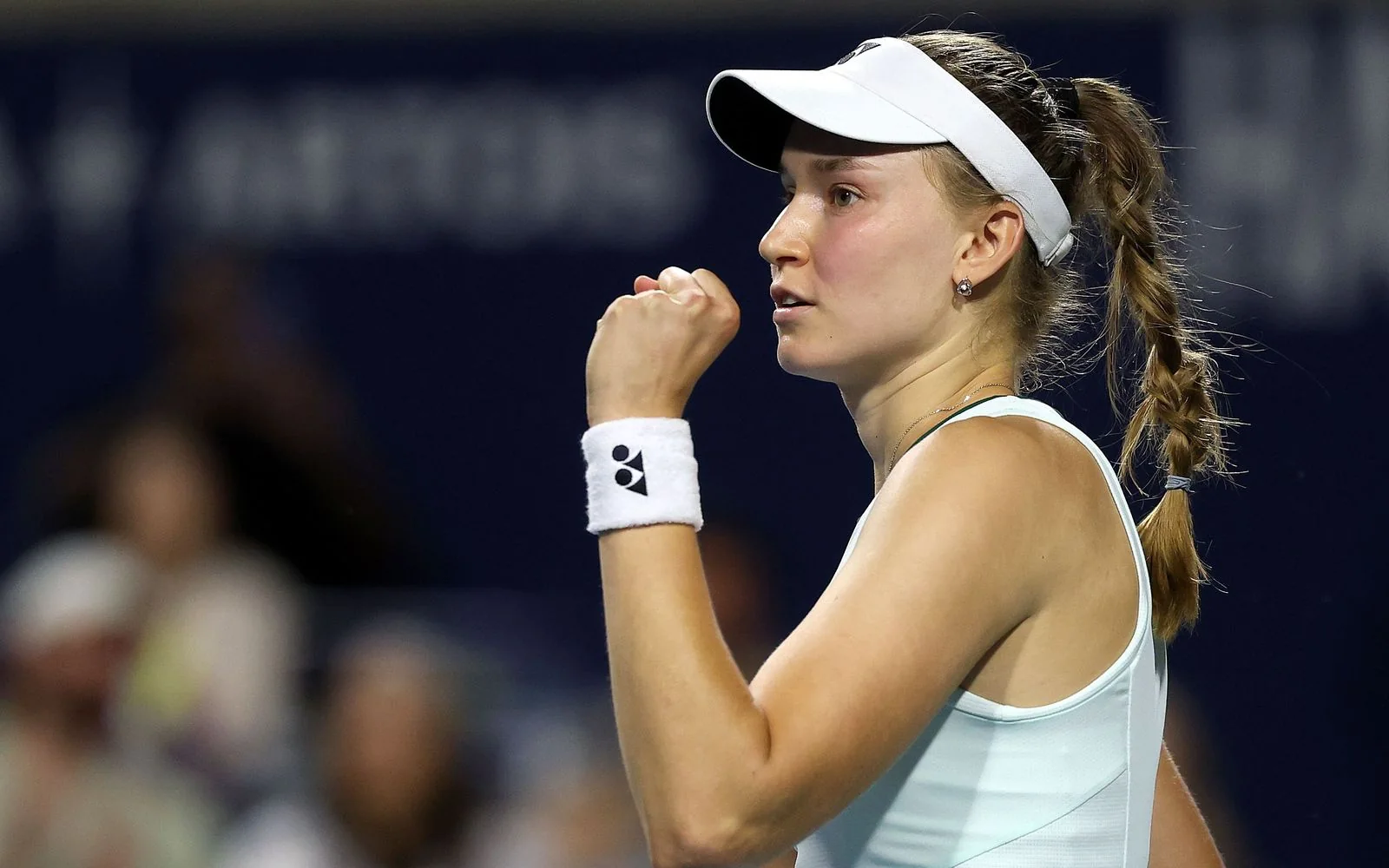
The WTA's current match-reaction index adds season context: the win was described as Rybakina's tour-leading 26th hard-court victory of 2026. That milestone fits her strengths on the surface, but the semifinal itself should still be read through verified evidence. Without a complete accessible statistical sheet, it would be careless to invent an ace count, winners-to-errors ratio or exact tactical turning point.
What can safely be inferred is narrower and useful. Rybakina did not allow losing a tight first set to become a straight-sets exit. She produced sustained scoreboard separation in two consecutive sets and arrived in the final with proof that she could reverse pressure. The cost is also visible: after a long Osaka quarterfinal, she again played three sets. Recovery implications depend on finish time and physical intensity, so match length alone cannot settle her final readiness.
For Gauff, the loss should not erase the value of taking the first set or reaching the last four. It does show that she could not stop the second-half run once Rybakina gained control. The official 4:54 highlight is the best concise visual review; a full replay, if offered by a rights holder, is needed for detailed tactical conclusions.
How Swiatek reset to defeat Svitolina
Swiatek's 6-3, 1-6, 6-3 win followed the opposite path. She established the lead, lost it abruptly and then rebuilt it. Svitolina's 6-1 second set ensured that Toronto would become their third three-set meeting of 2026, but Swiatek prevented the same final outcome that had favored Svitolina at Indian Wells and Rome.
The opening 6-3 set gave Swiatek the simpler route to victory: win one of the next two. That advantage nearly disappeared in practical terms when Svitolina conceded only one game in the second. A lopsided middle set can carry emotional weight, yet tennis starts a deciding set at 0-0. Swiatek's result is evidence that she treated it as a reset rather than an extension of the 1-6 score.
The three 2026 meetings
- Indian Wells: Svitolina d. Swiatek 6-2, 4-6, 6-4.
- Rome: Svitolina d. Swiatek 6-4, 2-6, 6-2.
- Toronto: Swiatek d. Svitolina 6-3, 1-6, 6-3.
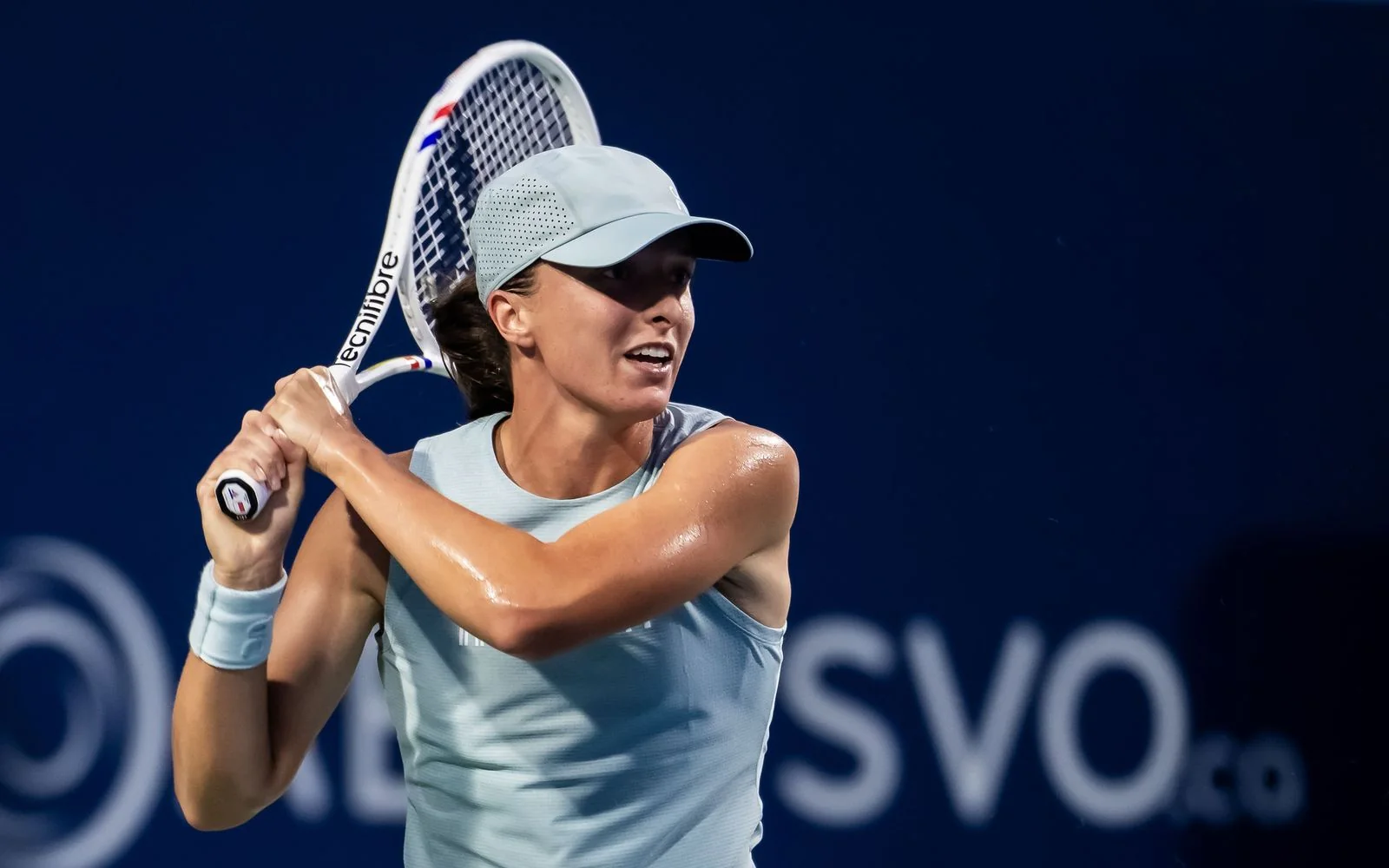
The rivalry context makes the reset more meaningful. Svitolina had already beaten Swiatek twice this season, each time in three sets, and came to the semifinal after her own quarterfinal comeback against Ekaterina Alexandrova. Toronto was not simply a higher-ranked player closing a routine matchup; it was Swiatek solving an opponent who had repeatedly forced her through uncomfortable momentum changes.
The WTA's official video title—“flips the script”—captures that reversal without requiring invented statistics. The 4:59 edit can show the key visual moments, but it cannot support claims about every serve location or rally pattern. The verified result supports three conclusions: Swiatek absorbed a 1-6 set, won the decider 6-3 and ended Svitolina's two-match winning run in their 2026 series.
For Svitolina, the second set demonstrated that she could still push the semifinal fully in her direction. The loss came after another deep WTA 1000 run and should not be reduced to one final set. For Swiatek, the reward was larger than revenge: a first final of 2026, a first Toronto final and another opportunity to translate a tournament recovery into a title.
What the semifinal scorelines reveal—and what they do not
Set scores provide real evidence, but they are a map with limited resolution. They show who won each phase and by what game margin. They do not show serve speed, rally length, injury treatment or whether a 6-2 set contained several long deuce games. A responsible semifinal recap should use the scoreboard fully without pretending it is a complete statistical report.
| Comparison | Rybakina–Gauff | Swiatek–Svitolina |
|---|---|---|
| Winner's path | Lost first set, won next two | Won first, lost second, won third |
| Deciding set | Rybakina 6-2 | Swiatek 6-3 |
| Aggregate games | Rybakina 17–11 | Swiatek 13–12 |
| Verified milestone | 26th hard-court win of 2026 | First final of 2026 |
Aggregate games illustrate the contrast. Rybakina finished six games ahead after overwhelming the final two sets. Swiatek finished only one game ahead because Svitolina's 6-1 second set nearly balanced the two sets Swiatek won. Tennis is decided by sets, not total games, so a 13-12 aggregate is not a narrower official result than another three-set win; it simply describes distribution.
The deciding-set scores support a resilience conclusion for both winners. Each entered the third after losing a set and then created separation. They do not support a fatigue ranking. A 6-2 set can last longer than a 6-3 set, and point length, game duration, finish time, treatment and prior-round load all affect recovery. Without complete official timing data, declaring one finalist “fresher” would be speculation.
The scores also cannot prove a single tactical cause. Rybakina's serve and Swiatek's return are central to their broader profiles, yet assigning the semifinal turnarounds to one shot requires serve/return and rally evidence. The official highlight packages are edited around major moments, so they should not be treated as unbiased samples of every point.
What remains solid is enough for a useful conclusion. Rybakina produced the larger late-match scoreboard swing and recorded a tour-leading hard-court milestone. Swiatek recovered after her worst set of the match and reached her first final of the season. Both demonstrated an ability to reset; the final would test that ability against a different opponent and a different set of patterns.
Rybakina vs Swiatek final time, stakes and matchup
Rybakina and Swiatek were scheduled to play the Toronto singles final on Thursday, August 13, not before 6 p.m. EDT at Sobeys Stadium. That converts to 10 p.m. UTC and 11 p.m. in the United Kingdom. “Not before” matters: the doubles final begins earlier at 3:30 p.m., and match length, presentation time, weather or court operations can push the singles start later.
Champion
1,000 points
$1,085,220 in published prize money
Finalist
650 points
$564,920 in published prize money
The 350-point and $520,300 differences are the direct gaps between champion and finalist totals. These are total Toronto awards for the finishing position, not bonuses to add to the semifinal amount. Net ranking movement can differ from the displayed event points because a player's existing results and WTA counting rules determine what is replaced.
The semifinal results sharpen the tactical question. Rybakina wants her serve and first aggressive groundstroke to shorten points before Swiatek can impose return pressure. Swiatek wants enough depth on the return to make Rybakina hit from a neutral or defensive position, then use early court position and movement. Neither semifinal score alone answers which pattern will dominate against a new opponent.
Their completed head-to-head was tied 6-6 before the final. Rybakina won the newest meeting 7-5, 6-1 in the 2026 Australian Open quarterfinal, where her first serve was highly effective. That result supplies relevant hard-court evidence without deciding Toronto automatically. Different conditions, fatigue, balls and immediate form can change how the same matchup unfolds.
Semifinal recovery is a common strength. Rybakina lost the first set and then seized both remaining sets. Swiatek endured a 1-6 middle set and restored control in the decider. If the final changes direction, neither player should be considered finished simply because she loses a set. Their Toronto paths show that both can separate a poor phase from the next one.
At the article's latest check, the WTA still marked both players as active and the event in progress. The matchup, time and published stakes were confirmed; the champion and final score were pending. Readers should use the official event hub for the completed result rather than treating a semifinal recap as a final-result page.
Where to watch highlights and semifinal FAQ
The WTA Toronto event hub carries both official semifinal highlight packages. Rybakina–Gauff runs 4:54 and Swiatek–Svitolina runs 4:59. These are condensed edits, not complete replays. For longer on-demand coverage, check the provider licensed for your region; in Canada, the tournament names Sportsnet and TVA Sports and links WTA TV for women's online coverage.
The National Bank Open also directs fans to the Tennis Canada channel for selected content. “Selected” does not guarantee a free full match. Confirm the channel identity, video label, players and runtime before watching, especially when search results use a misleading “live” or “full replay” title.
What were the 2026 WTA Toronto semifinal scores?
Rybakina defeated Gauff 5-7, 6-2, 6-2. Swiatek defeated Svitolina 6-3, 1-6, 6-3.
Who reached the Toronto final?
No. 2 seed Elena Rybakina and No. 7 seed Iga Swiatek advanced to the singles championship match.
Did both semifinals go three sets?
Yes. Gauff won the first set against Rybakina, and Svitolina won the second set against Swiatek.
Were the semifinals August 12 or August 13?
The tournament schedule groups them as the August 12 semifinal session in Toronto. Late local finishes and timezone conversion can produce an August 13 timestamp for readers elsewhere, so use the round and Toronto local schedule together.
Where will the final result appear?
The WTA Toronto scores page is the primary source. It still showed the event in progress at this article's latest check, so no champion is stated here.
The clearest way to preserve accuracy is to separate the completed facts from the next event. Rybakina and Swiatek earned their places through confirmed three-set wins. The final time and stakes were published. The championship result belonged to the court and the later official score service—not to a premature search headline.