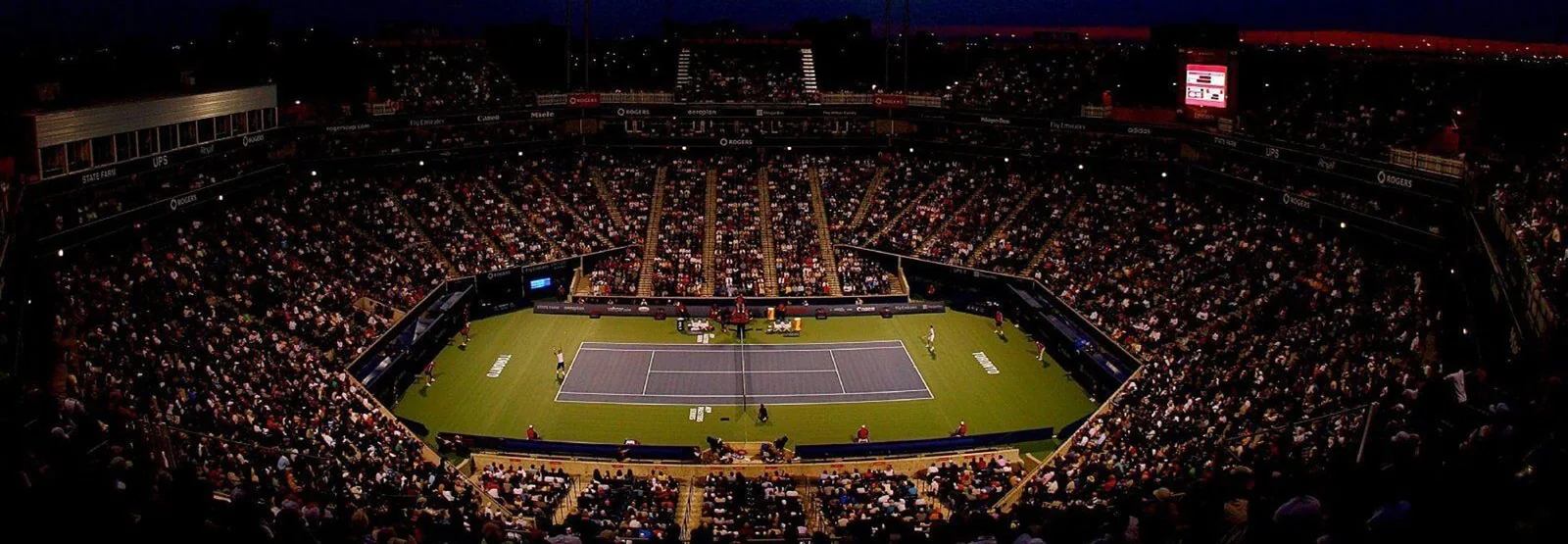
Who won WTA Toronto most recently?
Jessica Pegula is the most recent completed women’s singles champion in Toronto, winning the 2024 National Bank Open. Victoria Mboko won the next Canadian Open women’s title in 2025, but that edition was played in Montreal. The 2026 women’s event returned to Toronto; at this article’s August 13 research cutoff, the official final result had not yet been completed, so no 2026 champion is invented here.
2024 Toronto
Jessica Pegula defeated Amanda Anisimova for the singles title.
2025 Montreal
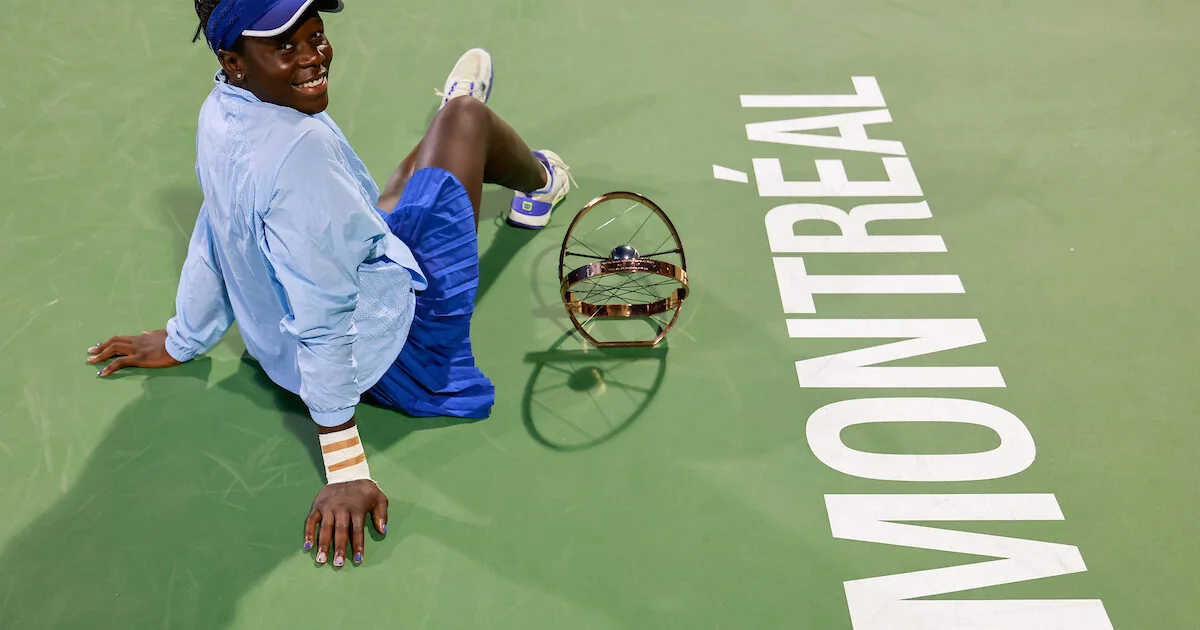
Victoria Mboko defeated Naomi Osaka, 2–6, 6–4, 6–1.
2026 Toronto
Final scheduled August 13; winner pending at cutoff.
“Canadian Open champion” is the umbrella event record. “Toronto champion” is a city-specific description. Because the WTA tournament alternates between Toronto and Montreal, a player can be the defending Canadian champion without having won the previous year in Toronto. The year and city should travel with every historical claim.
Pegula’s 2024 victory also completed back-to-back titles across different cities: she won Montreal in 2023 and Toronto in 2024. Mboko then became the 2025 champion in Montreal. That sequence is why a results list sorted only under “WTA Toronto” can mislead readers.
Use the 2026 Toronto tournament page for the official final result once posted. The historical sections below are complete through 2025 and distinguish host city wherever it affects the meaning.
This guide focuses on women’s singles. Men’s champions and women’s doubles winners belong to separate records, even though the National Bank Open brand covers simultaneous tournaments and multiple draws. When comparing trophies, confirm discipline as well as city and year.
Recent Canadian Open women’s champions
The recent roll of honour alternates cities. The table uses the host of the women’s draw, not the city hosting the men that year.
| Year | Women’s champion | Host city |
|---|---|---|
| 2025 | Victoria Mboko | Montreal |
| 2024 | Jessica Pegula | Toronto |
| 2023 | Jessica Pegula | Montreal |
| 2022 | Simona Halep | Toronto |
| 2021 | Camila Giorgi | Montreal |
| 2020 | Not held | — |
| 2019 | Bianca Andreescu | Toronto |
| 2018 | Simona Halep | Montreal |
| 2017 | Elina Svitolina | Toronto |
| 2016 | Simona Halep | Montreal |
| 2015 | Belinda Bencic | Toronto |
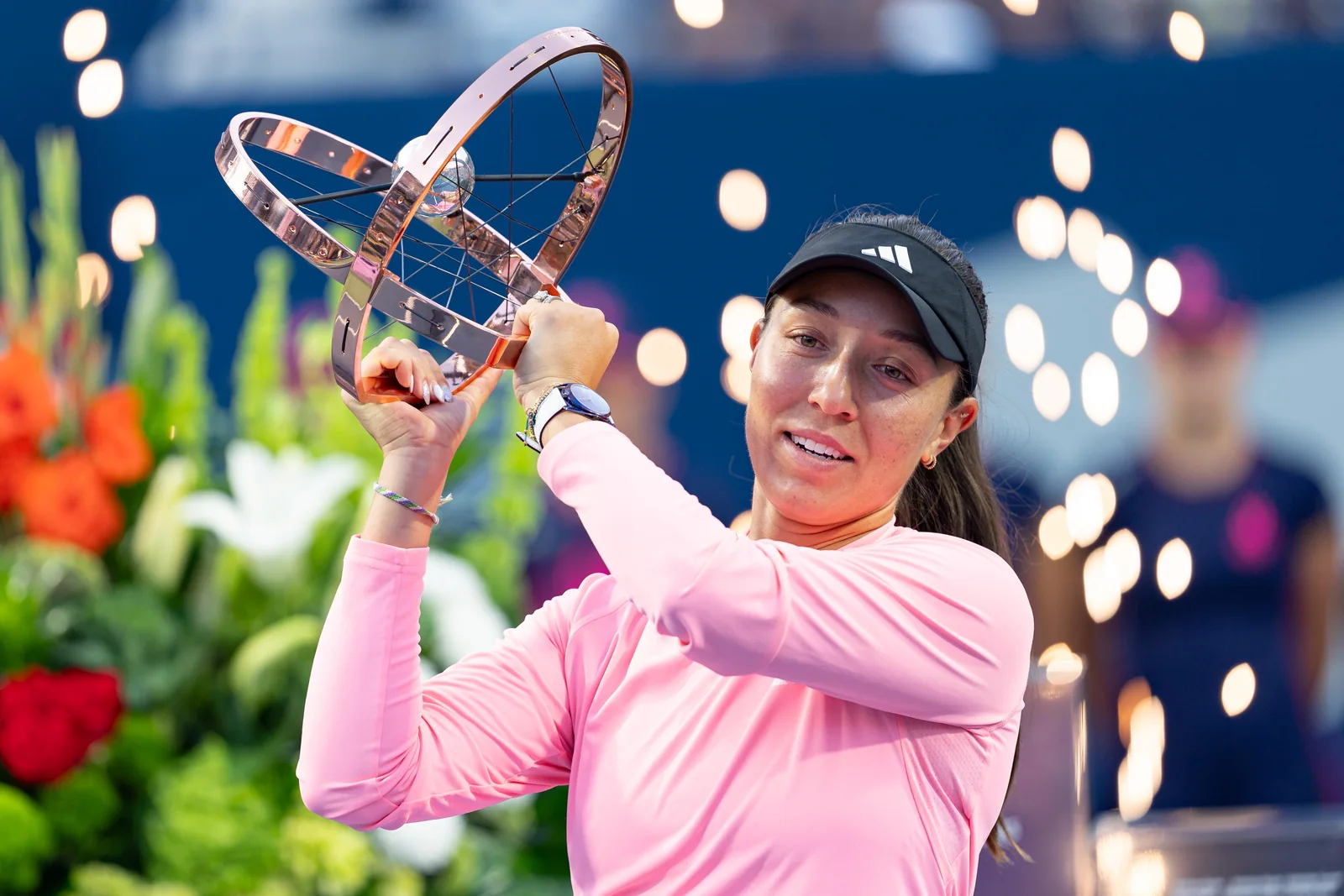
Pegula is the only player in this span to win consecutive editions, and she did it once in each city. Halep’s three titles arrived across Montreal in 2016 and 2018 and Toronto in 2022. Andreescu’s 2019 Toronto victory and Mboko’s 2025 Montreal victory are both landmark Canadian titles, but they are not the same city story.
The 2020 gap matters when counting streaks or saying “every year.” The tournament was postponed during the COVID-19 disruption, so Giorgi’s 2021 win followed Andreescu’s 2019 title chronologically without a 2020 champion between them.
A historical table should be updated only from an official completed result. It should not fill 2026 from a scheduled final, a live score or a social post claiming match point before the result is recorded.
Readers may also see older sponsor names—Rogers Cup, du Maurier Open and Canadian Open—in archives. A branding change does not create a different tournament lineage. Normalize the event identity, then retain the original year, discipline and host city. That method makes older champions comparable without rewriting the historical name shown by a source.
Why the women alternate Toronto and Montreal
The National Bank Open is one Canadian tournament tradition staged across two cities. In the modern arrangement, the women’s WTA 1000 and men’s ATP Masters 1000 run in opposite cities, then exchange hosts in the next normal cycle. Toronto uses Sobeys Stadium; Montreal uses IGA Stadium.
Toronto women’s year
The WTA draw is at Sobeys Stadium while the ATP draw is in Montreal. In 2026, this is the correct configuration.
Montreal women’s year
The WTA draw is at IGA Stadium while the ATP draw is in Toronto. This was the 2025 configuration.
The champion therefore wins the same women’s Canadian Open lineage whether the trophy ceremony happens in Ontario or Quebec. Ranking category and historical succession do not reset when the host changes. Yet venue records remain city-specific: a player’s Montreal match record is not automatically her Toronto record.
This structure explains apparently contradictory search results. “Toronto 2025 champion” may refer to the ATP men’s tournament; the women were in Montreal. A result page that merely says National Bank Open requires a second check for tour, draw and city. Gendered labels are useful here because both tournaments share sponsor branding and dates.
Rotation also makes consecutive titles more interesting. Pegula defended the overall women’s championship from Montreal 2023 to Toronto 2024, succeeding under different venue conditions. Halep won in both cities across her three-title run. Those achievements are broader than mastering one stadium.
For historical research, use a four-part label: year, WTA or ATP, discipline, and city. “2024 WTA singles — Toronto” is unambiguous. “2024 Toronto champion” may not be, especially on a page mixing men, women and doubles. This article uses that four-part test throughout.
Most titles and both-city records
Chris Evert and Monica Seles share the women’s singles Open Era lead with four Canadian Open titles apiece. That is the safest “most titles” formulation because the tournament predates the Open Era and historical databases may apply different scopes. Always preserve both discipline and era when quoting the record.
| Record group | Players | Meaning |
|---|---|---|
| Four titles | Chris Evert, Monica Seles | Open Era women’s singles leaders |
| Three titles | Serena Williams, Simona Halep | Most since 2000 |
| Won in both cities | Navratilova, Evert, Graf, Seles, Hingis, Halep | At least one Toronto and one Montreal title |
Halep’s path demonstrates the both-city distinction: Montreal titles in 2016 and 2018, followed by Toronto in 2022. The tournament’s official retrospective calls her the sixth woman to win in both host cities, joining Martina Navratilova, Evert, Steffi Graf, Seles and Martina Hingis.
Serena Williams’ three titles came in 2001, 2011 and 2013. A decade separated the first two, which is a longevity record story rather than a consecutive streak. Pegula’s 2023–24 double is the stronger recent example of successfully defending the Canadian championship across the rotation.
Title counts alone do not rank every career. Draw strength, match record, finals, era and surfaces change the comparison. The clean factual statement is that Evert and Seles lead the Open Era title count; analysis beyond that should state its metric instead of declaring an unsupported single “greatest” champion.
Do not merge doubles trophies into these totals. A player may have a rich Canadian doubles history alongside her singles record, but “four titles” in this section always means four women’s singles championships. That scope makes the comparison reproducible from the official archive.
Canadian women who won the title
Three Canadian women have won the singles championship in the Open Era through 2025: Faye Urban in 1969, Bianca Andreescu in 2019 and Victoria Mboko in 2025. Their wins span very different versions of the tournament, so modern category language must be applied carefully.
| Champion | Year | City/context |
|---|---|---|
| Faye Urban | 1969 | First Canadian woman to win in the Open Era |
| Bianca Andreescu | 2019 | Toronto; first Canadian winner in 50 years |
| Victoria Mboko | 2025 | Montreal; first Canadian woman to win the WTA 1000 trophy there |
Andreescu’s Toronto championship came during her breakthrough 2019 season before her US Open title. It remains the most recent completed Toronto victory by a Canadian woman. Calling it simply a home-country win misses the city-specific importance: she won on the courts that serve the GTA fan base and returned in 2026 as a wild card.
Mboko’s 2025 run ended with a 2–6, 6–4, 6–1 comeback against Naomi Osaka. The official tournament report says she became the first Canadian since Andreescu to win the NBO and the first Canadian woman to lift the WTA 1000 trophy in Montreal. She is a Canadian Open champion, but not a Toronto champion.
Urban’s 1969 achievement belongs to the Open Era record, but “WTA 1000 champion” would be anachronistic because that classification came decades later. Historical writing should describe the tournament status of the time or use the continuous Canadian Open lineage without retroactively assigning modern labels.
These three titles also show why nationality, city and event are independent fields. All three champions represented Canada; two wins occurred in Toronto and one in Montreal. A Canadian player does not have to win in Toronto for the title to count nationally.
Notable championship runs and records
A title count is only one way to read this event. The Canadian Open’s rotation, deep fields and long history create records about venue versatility, rankings, age and the opponents defeated. The examples below are sourced milestones, not a subjective list of the “best” runs.
Pegula’s two-city defense
Jessica Pegula won Montreal in 2023 and Toronto in 2024, defending the event title after the host switched.
Mboko’s breakthrough
At 18, Victoria Mboko made the 2025 NBO her first tour-level title and beat four Grand Slam champions during the event.
Serena’s ranking mark
The WTA tournament preview identifies No. 80 Serena Williams in 2011 as the lowest-ranked women’s champion in Toronto.
Halep across the rotation
Simona Halep’s Montreal-Montreal-Toronto trio made her a three-time champion and a winner in both cities.
Mboko’s path is unusually rich context: the official report names Sofia Kenin, Coco Gauff, Elena Rybakina and Naomi Osaka as the four major champions she defeated. That accomplishment belongs to Montreal 2025. It should not be repackaged as a Toronto record merely because Mboko grew up around Toronto or because the tournament returned there in 2026.
Pegula’s defense demonstrates another kind of adaptability. Consecutive editions meant different stadiums, crowds and conditions. Her feat belongs to the overall Canadian Open record, while only the second title belongs in a Toronto-only champions list.
Ranking marks require a dated source. Serena’s No. 80 label refers to her ranking during the 2011 title run, not her career stature. Search the current WTA rankings separately; today’s list cannot be substituted into an old tournament record.
Final scores, rankings and ages should each be verified from the same edition’s official notes. Combining a current profile with an old final is an easy way to manufacture a record that never existed at the time.
Past-winner FAQ and 2026 update rule
Who was the defending champion in 2026?
Victoria Mboko was the defending Canadian Open champion from Montreal 2025, although she missed Toronto 2026. Jessica Pegula was the most recent Toronto champion from 2024.
Is Toronto the same tournament as Montreal?
They are two host cities in the same women’s Canadian Open lineage. Venue-specific records remain distinct.
Why is there no 2020 winner?
The tournament was not held in 2020 during the pandemic disruption; the archive should show a gap, not repeat 2019.
Who has the most titles?
Chris Evert and Monica Seles share the Open Era women’s singles record with four each.
The 2026 row should be added only after the WTA or tournament records the final as completed. The update must include champion, runner-up, final score and Toronto as host, then recheck whether the result creates a repeat-champion, nationality or title-count milestone. A scheduled matchup is not a historical result.
Use the official Toronto event page for that result. For bracket context, see the 2026 draw guide; for the financial value of the finish, see the prize-money and points guide.
When citing this history, write the narrowest truthful label. “Pegula, 2024 Toronto champion” and “Mboko, 2025 Canadian Open champion in Montreal” are both precise. Removing the city from one and adding Toronto to the other changes the historical claim.
The archive should also preserve sponsor-name continuity. National Bank Open, Rogers Cup and Canadian Open references can describe editions in the same lineage; year and draw resolve the identity more reliably than branding alone.